
Outdoor Learning Spaces: Why They Matter for Elementary Students
Creating outdoor learning spaces is one of the most meaningful ways to support children’s development in elementary school. Whether it’s a structured outdoor learning space at school or a simple outdoor learning area in a backyard or park, learning outside offers benefits that go far beyond the classroom.
In this post, we’ll explore what outdoor learning in schools looks like, why outdoor education is important, and how you can incorporate creative activities like art lessons outside to make learning more engaging and memorable.
Outdoor Learning Spaces
What is an Outdoor Learning Space?
An outdoor learning environment is any space outside the traditional classroom where students can explore, create, and learn. This could include schoolyards, forests, gardens, playgrounds, or community spaces.
Outdoor learning in early years often focuses on play-based exploration, sensory experiences, and connection to nature. As students grow, outdoor learning in schools can expand into more structured activities across subjects like science, art, and physical education.
Why is Outdoor Education Important?
Many educators and parents are asking why outdoor education matters. The answer is simple: it supports the whole child.
Outdoor learning encourages:
Physical movement and health
Creativity and problem-solving
Social skills and collaboration
Emotional regulation and reduced stress
When students step outside, they engage with real-world experiences that deepen their understanding of concepts in a meaningful way.
Why is Outdoor Learning Beneficial for Elementary Students?
There are many ways to answer the question: why is outdoor learning beneficial?
First, it increases engagement. Students are naturally curious about the outdoors, which makes learning feel exciting rather than forced.
Second, it supports different learning styles. Some students who struggle in a traditional classroom thrive in an outdoor learning space where they can move, explore, and create.
Third, it builds independence and confidence. Outdoor learning often involves choice, exploration, and decision-making, which are key components of what is outdoor leadership. Students learn to take initiative, solve problems, and work together.
Finally, it strengthens connections to nature. Understanding the environment firsthand helps students develop respect and care for the world around them.
How to Create an Outdoor Learning Space:
Use natural materials like wood stumps to sit on or logs as benches
Create an outdoor mud kitchen
a sheet of Plexiglass attached to a fence to paint on
Using clipboards as surfaces for kids to write or draw
Sand boxes or water play with tools to mix, measure, pour, strain, weigh etc.
A garden area to plant and learn about life cycles
Get kids involved in the planning process
Outdoor Learning Games and Activities
Incorporating outdoor learning games is a great way to make lessons interactive and fun. These can include scavenger hunts, nature-based math challenges, or creative storytelling using found objects.
But one of the most powerful ways to use an outdoor learning area is through art.
Art lessons outside: simple and meaningful ideas
Bringing art lessons outside allows students to connect creativity with nature. Here are a few ideas you can easily incorporate:
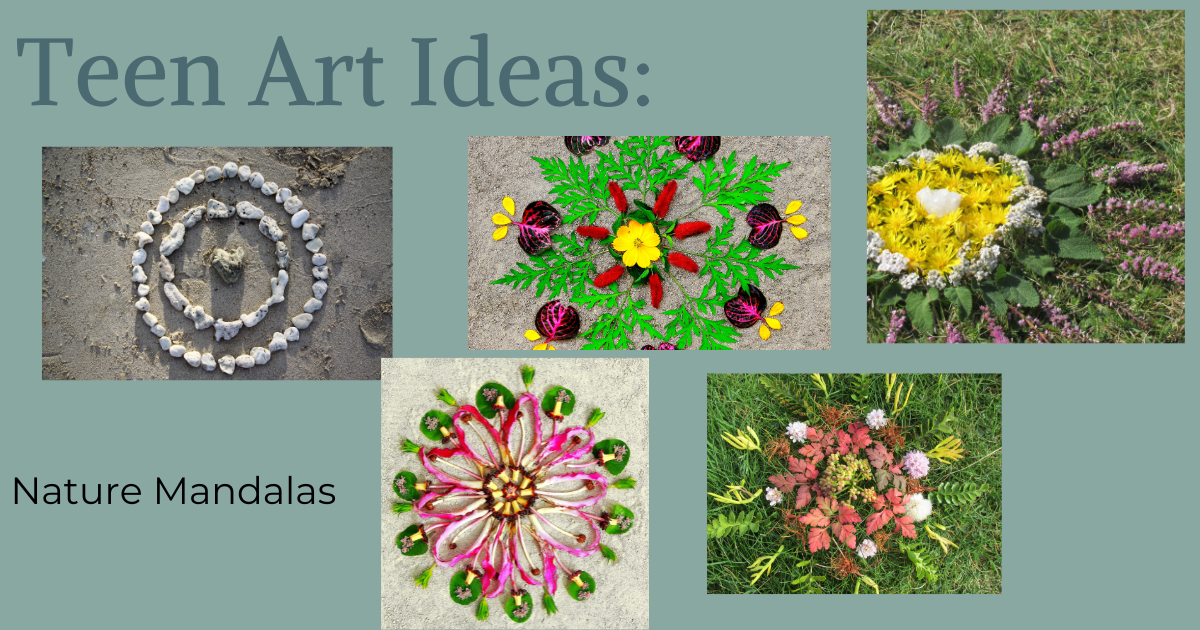
Nature mandala (collaborative or individual)
A nature mandala is a beautiful and calming activity where students gather natural materials like leaves, sticks, flowers, and stones to create circular designs.
This can be done:
Individually, allowing for personal expression
Collaboratively, where students work together to build one large mandala
This activity encourages teamwork, creativity, and mindfulness, making it a perfect example of outdoor learning in schools.
Insect symmetry drawing worksheets
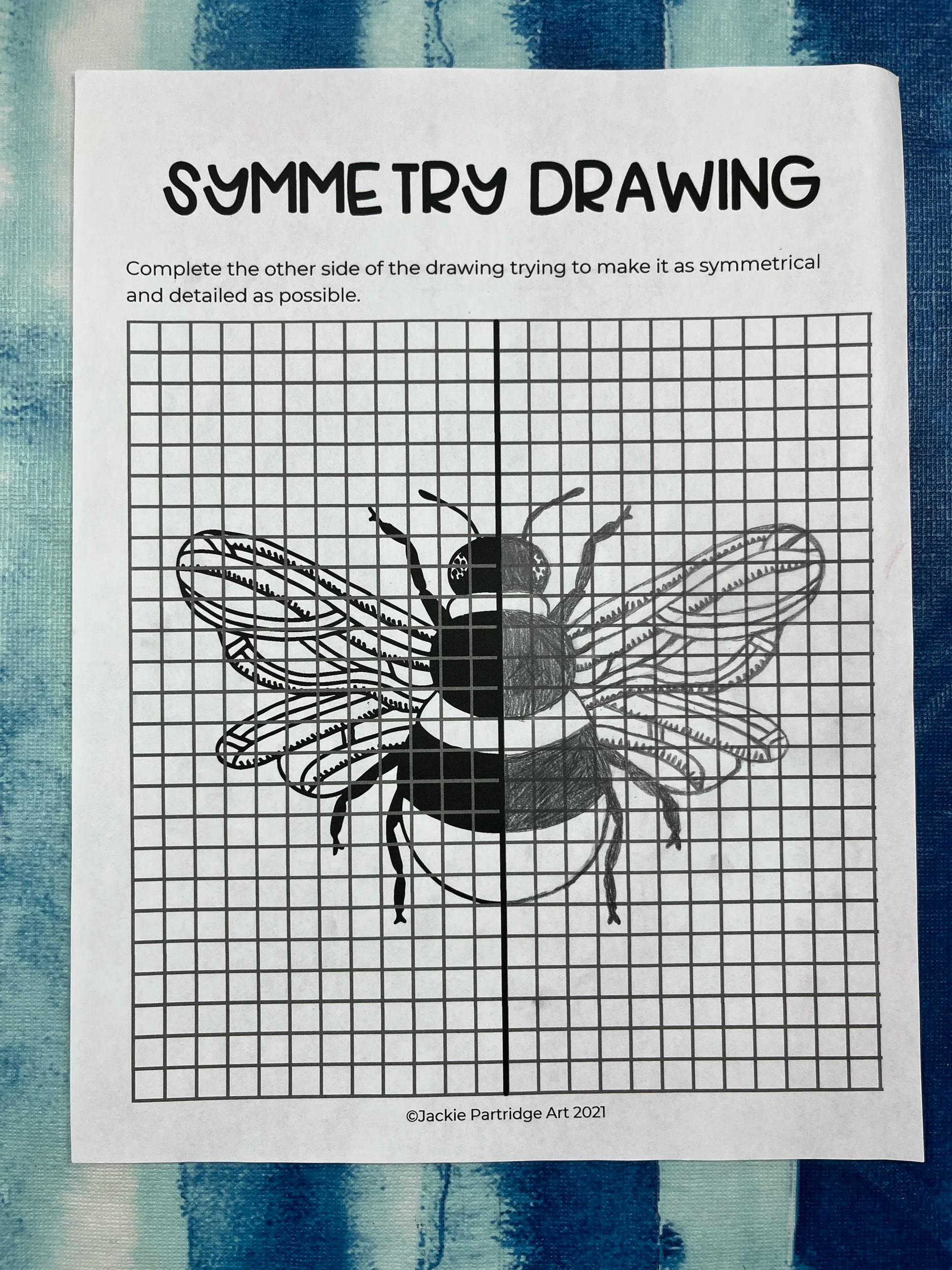
While studying bugs, students can sit outside and observe real insects in their natural habitat. My free insect symmetry drawing worksheets are a great way to combine science and art. You can use the clipboards from the dollar store so that your students have a surface to draw on while outdoors.
Students can:
Observe insects closely
Practice symmetry drawing
Connect classroom learning to real-life observation
This is a simple but effective outdoor learning activity that reinforces both art and science skills.
Flower printing with paint
Flower printing is another engaging way to bring art lessons outside. Students can use real flowers and leaves to create prints using paint.
This activity helps students:
Explore texture and pattern
Experiment with colour
Connect with nature through hands-on creation
You can watch my full flower printing tutorial on YouTube and subscribe to my channel for more art lessons and ideas.
Other Nature Art Lesson Ideas
Take some paint chips from a local home building supply store and have students try to find items in nature that match the colours of the paint chips.
Collect leaves or flowers from outside, and then allow students to press them between old books or using an item like a flower press. Later, students can investigate their pieces of nature under a microscope. If you have one of those available students can also spend time drying their items from nature and labelling the parts of different plants and species they have collected.
Creating cyanotypes you can read more about how to create a cyanotype here, but cyanotypes are a fun process, combining art and nature.
Creating seed starters from recycled paper, using all of your scraps of recycled, paper like construction papers, and any other scrap papers as well as a kitchen blender you can create some DIY seed starter paper. You can learn more about this lesson and how to do it here but this is a great outdoor learning activity. It's good to do it outside because it can be messy and later you can plant the seed paper in a garden or outdoor learning space.
How is outdoor learning beneficial for creativity and wellbeing
When students participate in outdoor learning, they are often more relaxed and open to experimenting. This leads to increased creativity and a willingness to take risks in their work.
Outdoor environments also support mental health by reducing stress and providing a break from structured indoor routines. This is another key reason why outdoor education continues to grow in popularity.
Recommended Art Supplies for Outdoor Learning
Using the right materials can make outdoor art activities easier and more enjoyable. Below are some popular and practical supplies that work well in an outdoor learning environment.
This post contains affiliate links. This means I may earn a small commission at no extra cost to you if you choose to purchase through these links.)
These supplies are easy to transport, durable, and well-suited for outdoor use with elementary students.
Conclusion:
Creating an outdoor learning space doesn’t need to be complicated. Even small changes, like taking art lessons outside or incorporating simple outdoor learning games, can have a big impact.
If you’ve been wondering why outdoor education is important, the answer lies in how it supports creativity, wellbeing, and meaningful learning experiences.
Outdoor learning helps students connect with nature, build confidence, and develop skills that extend far beyond the classroom.
If you’re looking for more ideas, be sure to explore my YouTube channel and free resources, including insect symmetry drawing worksheets and step-by-step art tutorials.
Outdoor learning can be simple, creative, and incredibly powerful.