How to Start Painting a Canvas with Acrylic Paint: A Beginner’s Guide
Starting with acrylic painting can feel exciting, but also overwhelming. Learn how to start painting a canvas with acrylic paint today.
Many beginners think they need a large collection of supplies or expensive materials to get started. The truth is, you can begin painting a canvas with acrylic paint using just a few essential tools and a simple plan.
A little about me- I’m an artist with a Master of Fine Arts and an experienced art teacher. I love helping beginners feel confident as they start their painting journey. In this guide, I’ll walk you through how to start a canvas painting, what supplies you actually need, and how to plan a painting step-by-step.
This blog post contains affiliate links meaning I receive a small commission for recommending art supplies that I truly love and use at no extra cost to you. Thank you for supporting a small business.
Painting a Canvas with Acrylic Paint
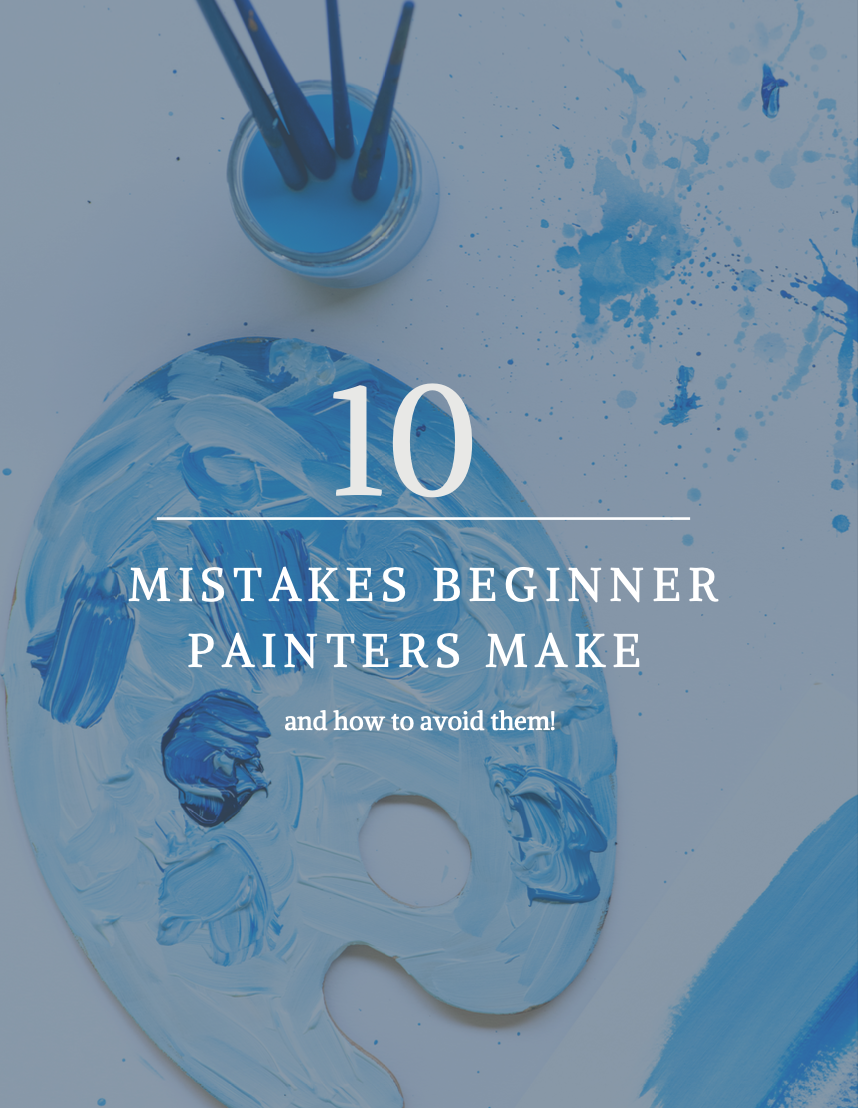
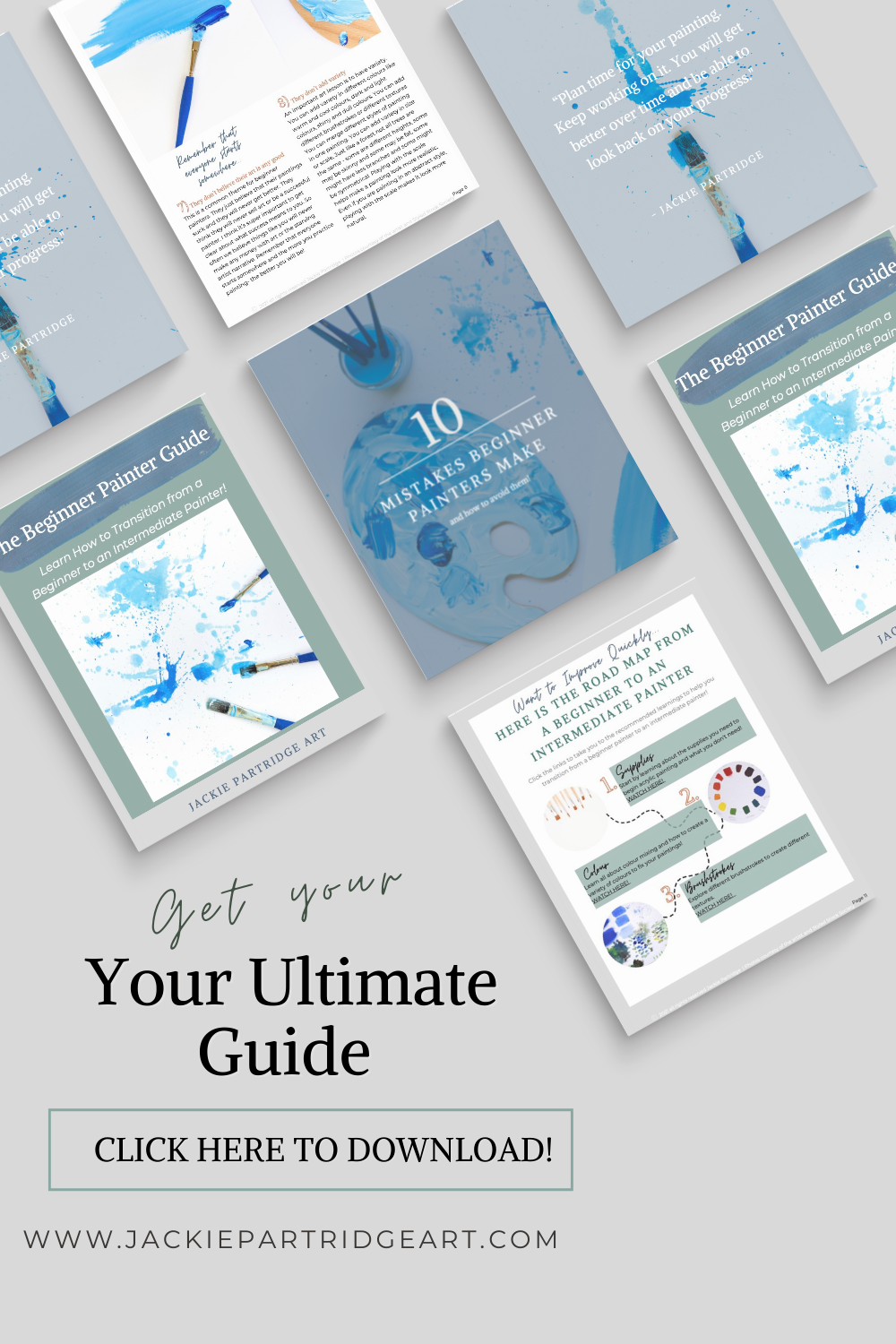
Make sure you download my FREE 12 page beginner, acrylic painting guide, which gives you 10 tips to improve your acrylic painting fast as well as a list of recommended tutorials to help you take your painting to the next level. Click the button below to download your FREE guide now.
What You Really Need to Start Acrylic Painting
You don’t need a huge collection of supplies to begin. Starting simple will save you money and help you focus on learning the basics.
A container for water
You can use any cup or jar you already have at home. This is for cleaning your brushes and mixing colours.
Acrylic paint
This is your main investment. Choose a student-quality brand rather than dollar store paint, which tends to be watery and less pigmented. Look for paint with a thicker consistency so you can get rich colour with less product.
Here’s a set I recommend. You can never have enough white paint -this is what I like to get.
You only need a few colours to start:
Titanium white (buy a larger amount since you’ll use it often)
Mars black
Cadmium red
Cadmium yellow
Ultramarine blue
Cobalt blue
With these colours, you can mix a wide range of tones without needing every colour available.
Paint brushes
You only need three brushes to begin:
A one-inch flat brush for backgrounds
A medium round brush (size 6)
A small round detail brush (size 2)
The brushes that I use are a brand called Princeton, that I absolutely love you can check out the set of three brushes that I use right here.
Choose synthetic brushes, as they are easier to clean and maintain than natural hair brushes.
I like to use this set of detail brushes for adding small details in my acrylic paintings.
A cloth or rag
An old T-shirt or dish towel works perfectly for drying brushes and controlling paint.
Something to paint on
You can use:
Canvas (buying in bulk helps save money) - Check out this set of canvases here
Canvas boards (a more affordable option) -Here's a set of canvas boards that I like using.
Watercolour paper (can be flattened after drying if it curls) - You can check out this set of watercolour paper
When starting out, focus more on good paint rather than expensive surfaces.
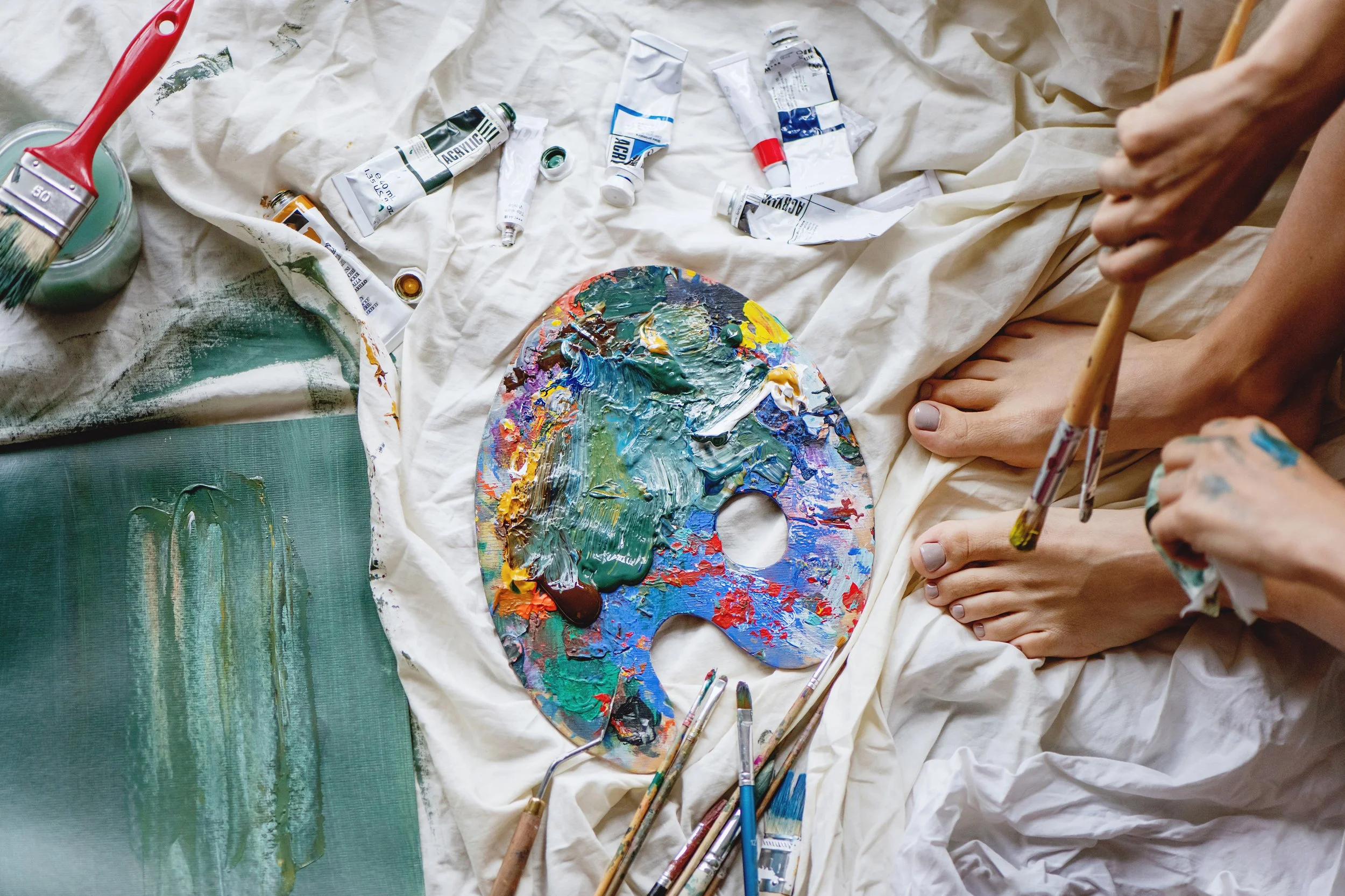
Helpful Extras (If You Have the Budget)
Some supplies are not essential but can make painting more comfortable.
An easel
A tabletop wooden easel helps improve posture and keeps your workspace organized.
An apron or old clothes
Acrylic paint dries permanently, so it’s best to protect your clothing.
A palette with a lid
This helps keep your paint from drying out and can extend its use over multiple days. If you don’t have one, a plate or plastic lid works just fine.
Watch the video below on YouTube and be sure to subscribe to my channel so you don't miss the future video. You will see the steps of me planning a painting from start to finish.
How to Plan a Painting on Canvas with Acrylic Paint
If you’re wondering how to plan a painting, it doesn’t need to be complicated. Following a simple structure can help you feel more confident and focused.
What Is the Creative Process in Art?
Understanding what is the creative process in art can help you approach painting in a clear and manageable way. Here are the key stages:
Preparation
Start by brainstorming ideas. Think about what you enjoy painting—landscapes, flowers, clouds, or simple objects. Keep a list of ideas in a sketchbook or journal.
If you’re stuck, look for inspiration in:
Your own photos
Nature
Art galleries
Books or magazines
Planning and focusing
Choose one idea to work with. Keep it simple, especially for your first painting.
For example, instead of painting a full bouquet, try painting a single flower. If you’re painting fruit, choose one object like an apple or lemon. Take a photo so your lighting stays consistent.
Exploring and Experimenting
Before starting your final painting, spend time experimenting.
Try:
Mixing colours
Adding water to create different effects
Testing brushstrokes
This helps you understand your materials and build confidence before committing to your final piece.
Creating a Rough Sketch
Next, sketch out your idea. This can be done on paper or directly on your canvas.
Using chalk is a great option because it can be easily wiped away. This allows you to adjust your composition without damaging your surface.
Here’s coloured chalk you can use and a small travel size sketchbook that I love.
At this stage, think about:
Placement of your subject
Background colours
Overall composition
Building Your Painting in Layers
When painting a canvas with acrylic paint, you’ll work in layers.
Start with a base layer, such as the background. Then gradually add:
Shapes
Colours
Details
Highlights and shadows
Let each layer dry before adding the next. Acrylic paint dries quickly, making this process efficient and flexible.
Presenting and Sharing Your Work
Once your painting is complete, take time to step back and view it from a distance. This helps you see the overall composition rather than focusing on small details.
You can:
Hang your painting at home
Share it on social media
Ask for feedback from someone you trust
Seeing your work displayed can help you build confidence and recognize your progress.
Reflecting and Improving
After finishing your painting, reflect on the process.
Ask yourself:
What worked well?
What would you change next time?
Acrylic painting allows you to paint over areas, so nothing is ever truly permanent. This gives you the freedom to keep improving your work over time.
Final Thoughts on How to Start a Canvas Painting
Learning how to start a canvas painting doesn’t have to be expensive or complicated. By keeping your supplies simple and following the creative process step-by-step, you can build confidence and enjoy the experience.
Start small, experiment often, and give yourself permission to learn as you go.
If you’re looking for more guidance, you can explore my tutorials, colour mixing lessons, and beginner resources on my YouTube channel, Jackie Partridge Art.
I also share a FREE guide with 10 common mistakes beginner painters make and how to avoid them.
You can connect with me on Instagram or Facebook at Jackie Partridge Art. I always enjoy seeing what you’re working on.