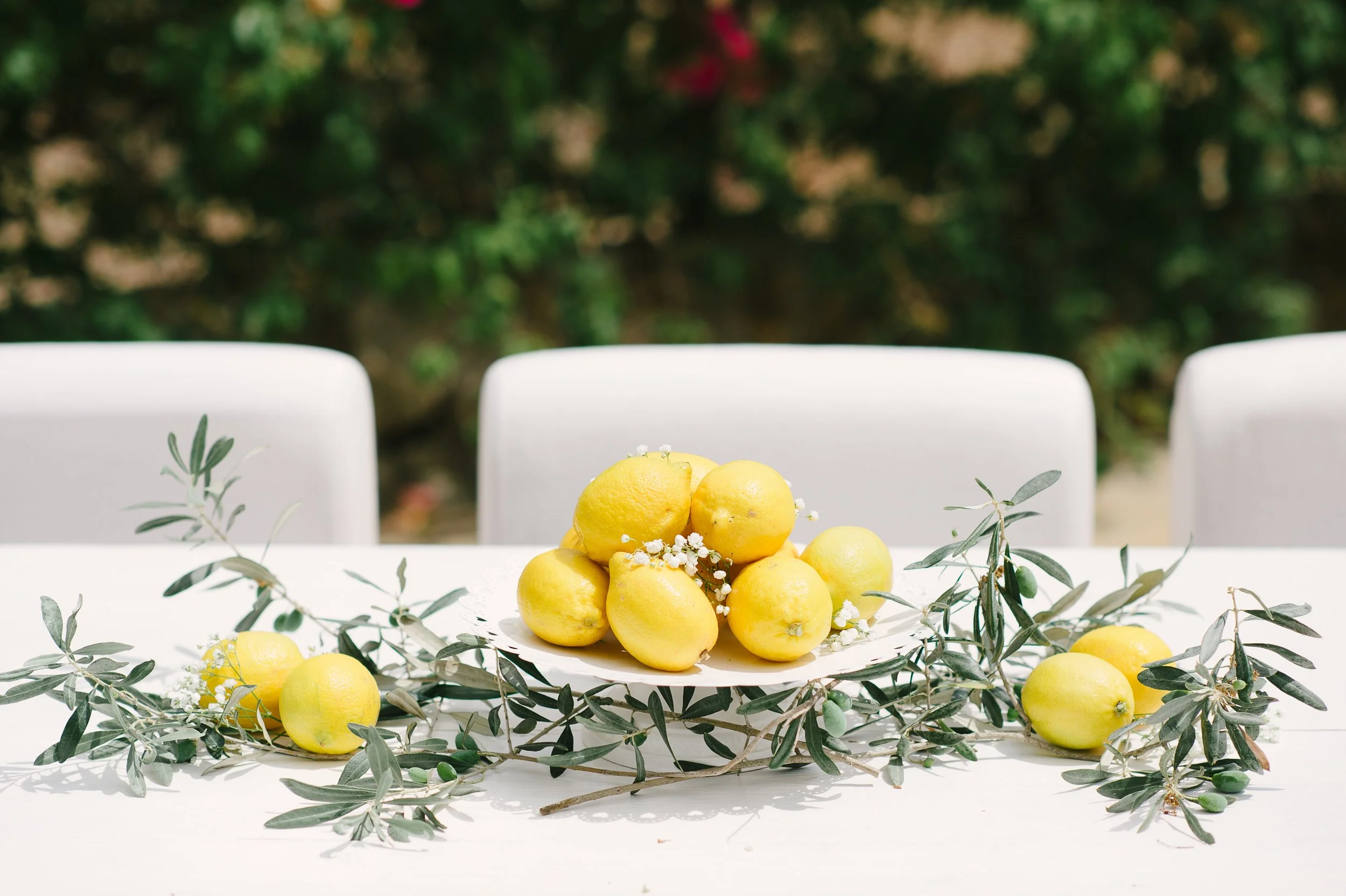
How to Do a Still Life Painting Easy for Beginners
Here's how to do a still life painting, easy for beginners to try even if you are new to acrylic painting or you consider yourself a beginner I want to show you how to do a still life painting that is easy and effective for you so that you can create your very own realistic acrylic still life painting successfully.
Creating a beautiful still life can feel challenging, especially if you’re just starting out with acrylics. Capturing realism—light, shadow, and texture—takes practice. To help simplify the process, I’ve put together five approachable tips that can make your next still life painting both easier and more enjoyable. Let’s dive in!
Still Life Painting Easy
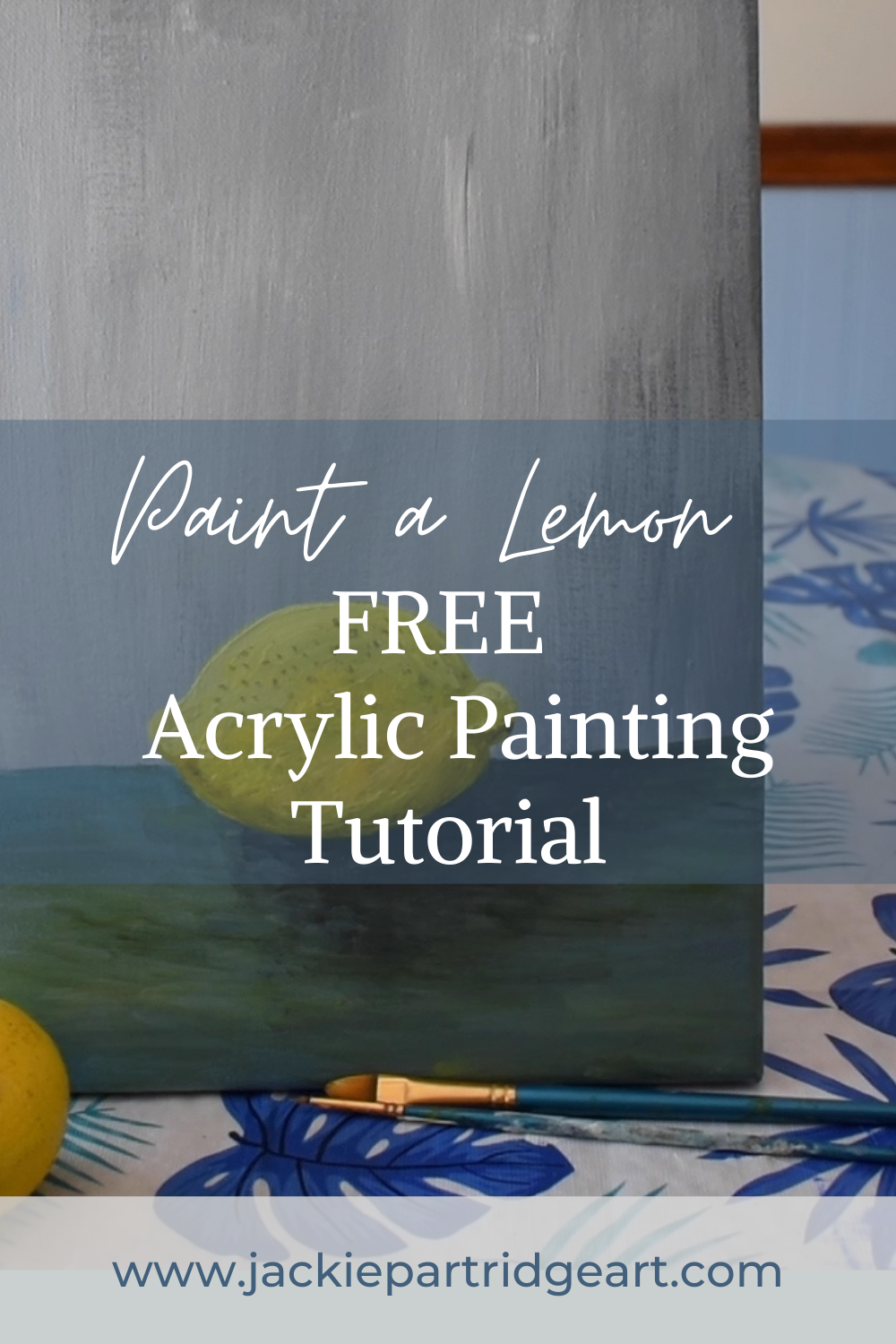
If you prefer to watch the tips you can click on the video below!
Still Life Painting Easy Tips for Beginners
Paint from a Real-life Setup When Possible
Putting your still life objects—whether fruits, flowers, or everyday items—in front of you is invaluable. Painting from life allows you to observe subtle details like texture, color shifts, and reflections in real time. If you can’t set it up, a good-quality color photograph can still be a helpful reference.
Sketch Lightly with Chalk First
Before adding paint, sketch your composition on the canvas with a colored chalk stick. This method lets you adjust proportions easily without the worry of leaving pencil marks that might show through. It’s a small step that can save time and paint later.
Turn Up the Contrast for Realism
Highlights and shadows are what make objects look three-dimensional on a flat canvas. Don’t be afraid to exaggerate them—darken the shadows, brighten the highlights—to bring your objects to life. Position a strong lamp or light source near your setup to help accentuate these contrasts.
Follow the Natural Shape with Your Brushstrokes
It might sound obvious, but painting round objects like apples, lemons, or vases with flat, straight strokes can make them appear flat. Instead, use brushstrokes that mimic the form’s curvature—this creates volume and dimension.
Work in Layers and Be Patient
You don’t need to finish your piece in one sitting. Layering paint allows you to build depth and detail gradually. Plus, acrylics are forgiving—if something doesn’t work out, you can paint over it. Take your time and enjoy the process.
Bonus Tip:
If your painting spans multiple sessions, take a photo of your setup beforehand. This ensures consistency in lighting and placement when you return.
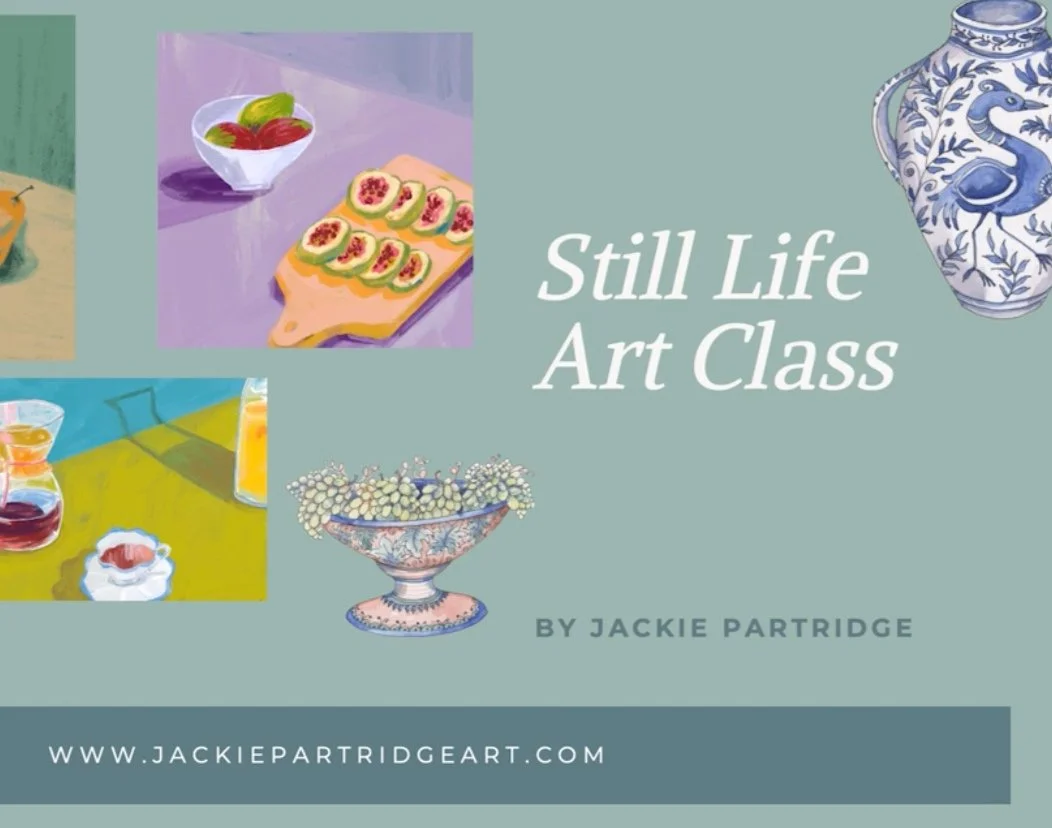
Looking for something fun for your creative teen to do?
Join me (Jackie- artist and teacher) to learn about still life drawing.
In this hour and a half recorded class, students will learn how to create and draw a still life of a seashell and fabric. Learn about drawing details, creating contrast and texture, adding highlights, and shadows to a drawing and more!
See examples from art history to inspire your teen. Being able to draw objects or a still life realistically is a great skill to have and will help improve drawing. Whether your teen is interested in painting, drawing, or digital art this knowledge can be applied to their artwork.
Bonus: this class is perfect for teens wanting to go to art school as they will be able to create an amazing work for their portfolio!
Class is great for teens 12-17 years old.
You will receive a PDF with a link to the recorded class that your teen can watch anytime - as many times as they would like!
Just click Purchase and enter in your payment Info.
You will receive a PDF with a link to the class after purchase.
Your teen can watch the class anytime that is convenient to them!
You can pay with PayPal or Stripe (credit cards) Tax is included in the price!
$35 CAD is about $25 USD
Materials Needed:
Just paper, a pencil and an eraser - if your child would like to use other materials they can!
Conclusion:
If you'd like to deepen your acrylic painting skills even more, grab my free “10 Mistakes Beginner Painters Make (and How to Avoid Them)” guide. It’s a handy resource filled with practical advice for artists at any level. Click the button below to download the FREE guide now!
Interested in video tutorials? I share step-by-step painting lessons—like how to paint lemons, eggs, pumpkins, and more—on my YouTube channel every couple of weeks. Subscribe to my channel here!
I’d love to see how these tips help shape your work! Tag your still life paintings with @jackiepartridgeart on Instagram and use #jackiepartridgeartclasses—I’ll be rooting for you and happy to offer feedback.
Related Articles:
Subscribe to my Acrylic Painting YouTube Channel
How to Paint Clouds