Palette Knife Paintings: A Beginner's Guide to Bold, Textured Art
Have you tried palette knife paintings before? If you have ever watched someone create a painting using only a palette knife and felt completely mesmerized by the thick, confident strokes and the gorgeous texture they produce — you are not alone. Palette knife painting is one of those techniques that looks almost effortless when done well, and the good news is that it is far more approachable than it appears.
In this post I am going to walk you through what palette knife painting is, what supplies you need to get started, and some of my favourite subjects to paint with a palette knife. I have also created videos for each of the subjects below, so make sure you keep reading to find the ones that interest you most.
Palette Knife Paintings
What Is Palette Knife Painting?
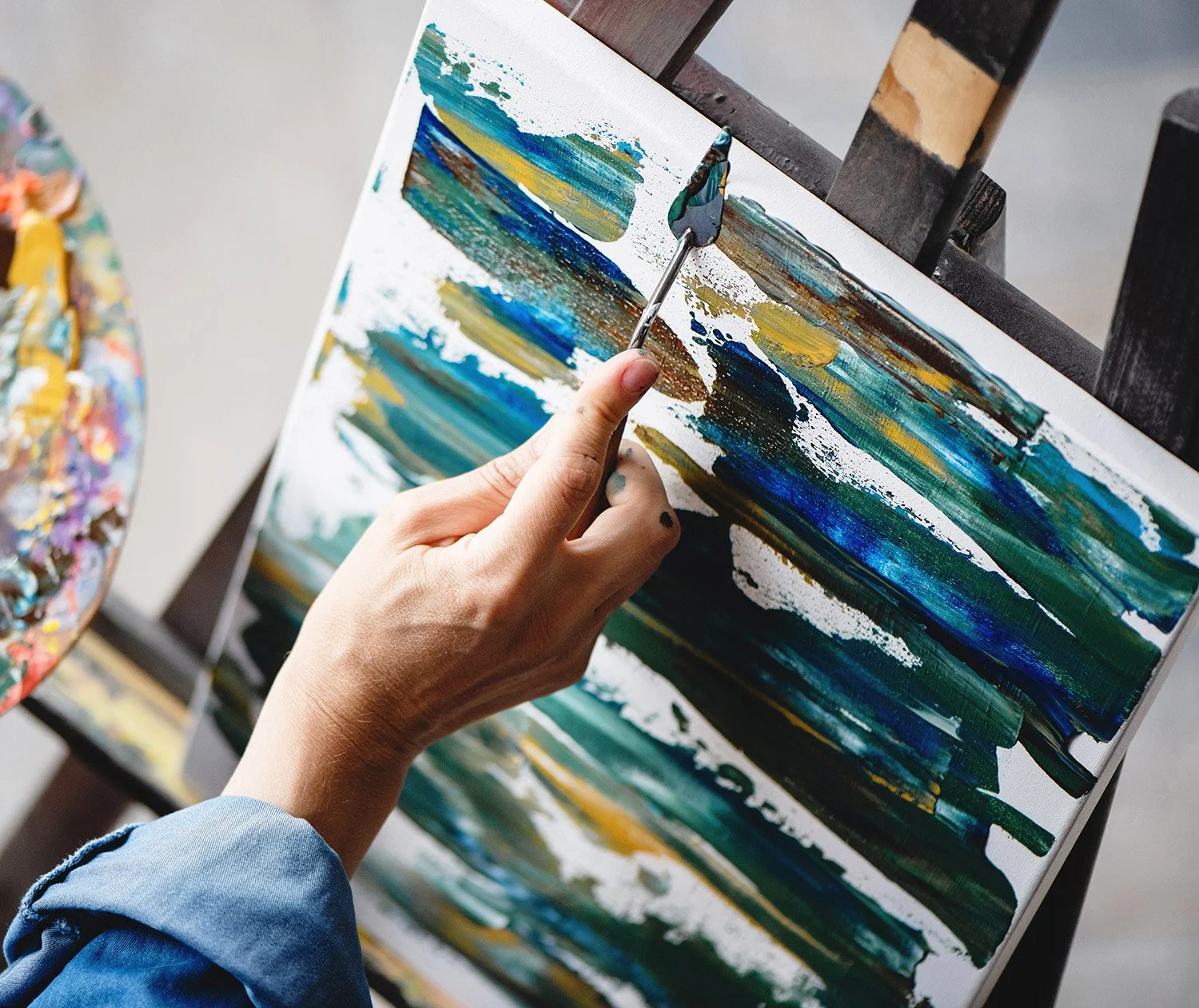
A palette knife is a flexible, blunt-edged tool traditionally used to mix paint on a palette. When used directly on canvas, it becomes a painting tool in its own right — one that produces thick, textured strokes, sharp edges, and a richness of surface that a brush simply cannot replicate.
Palette knife painting is particularly well suited to acrylic paint because acrylics are thick enough to hold their shape and texture as they dry. You can build up layers, create impasto effects, blend colours directly on the canvas, and work quickly and expressively in a way that feels completely different from brush painting.
Many painters find palette knife work liberating precisely because it encourages a looser, bolder approach. There is no fussy detail work with a palette knife. There are shapes, colours, edges, and texture — and when those elements come together, the results can be stunning.
Affiliate Link Disclosure
This post contains affiliate links. If you purchase through one of my links, I may earn a small commission at no extra cost to you. I only recommend supplies I genuinely find useful and worth your money. Thank you for supporting my work — it allows me to keep creating free tutorials and content for you.
Palette Knife Painting Supplies
Before you dive in, you will want to have the right tools on hand. The great news is that palette knife painting does not require an enormous collection of supplies. Here is what I recommend for beginners:
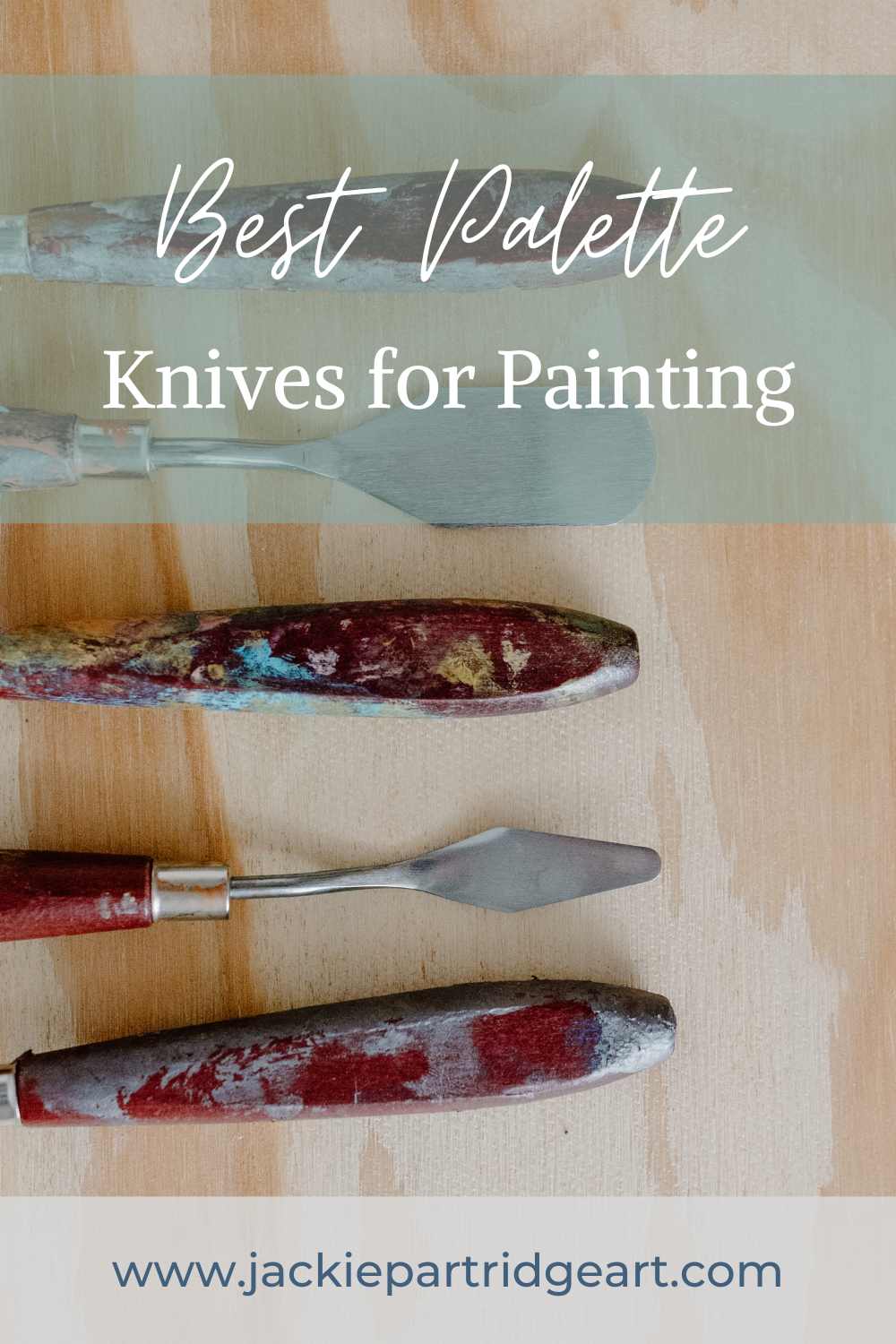
Palette knives — Look for a set that includes a few different shapes and sizes. A small diamond-shaped knife, a longer tapered knife, and a straight knife each produce different marks and give you more flexibility. Sets of five to ten knives are widely available and affordable.
Acrylic paint — Choose a heavy body acrylic paint rather than a fluid or soft body formula. Heavy body acrylics hold their shape and texture when applied with a palette knife, which is exactly what you want. Student-grade paint works for practice, but artist-grade will give you richer colour.
Canvas boards or stretched canvas — Both work well for palette knife painting. Canvas boards are more affordable for practice sessions. A textured surface gives the knife something to grip.
A palette with a lid — Acrylic paint dries quickly, so a palette with a lid helps keep your colours workable throughout your session.
A palette pad or glass palette — A smooth, easy-to-clean surface for mixing colours before applying them.
A container of water and a cloth rag — For cleaning your knife between colours.
An easel or a flat, stable surface — You can paint on a flat table or prop your canvas on an easel. Both work well for palette knife work.
Need help with colour mixing? Check out my colour mixing bundle - save 30% now!
Palette Knife Poppy Painting
Poppies are one of the most popular subjects in palette knife painting, and once you try them you will understand why. The petals of a poppy are bold, simple shapes — perfect for the confident, sweeping strokes a palette knife produces naturally. The contrast between the vivid red petals and the dark centres is striking, and the way a palette knife creates petal edges with just a single movement is enormously satisfying.
In my palette knife poppy painting video, I walk through how to build up a field of poppies from background to foreground, how to mix the rich reds and pinks that make poppies glow, and how to create depth and dimension using layering rather than blending. It is a wonderful project for anyone new to palette knife work because the subject is forgiving and the results are genuinely beautiful.
If you have been wanting to try palette knife painting for the first time, this is the video I would recommend starting with. Head over to my YouTube channel to watch it — and while you are there, make sure you subscribe so you do not miss new tutorials as they come out.
Palette Knife Pumpkin Painting
Autumn is one of my favourite seasons to paint, and a palette knife pumpkin painting is the perfect seasonal project. The rounded, ribbed form of a pumpkin is an excellent subject for learning how to create volume and dimension with a knife — you are working with curved planes of colour and learning to show how light wraps around a three-dimensional shape.
In this video, I show you how to mix the warm oranges, burnt umbers, and golden yellows of a harvest pumpkin, how to suggest the ridges of the pumpkin with directional strokes, and how to paint a simple background that makes the whole painting feel cohesive and complete. This is a project that works beautifully for autumn-themed decorating and makes a lovely handmade gift.
Palette Knife Clouds
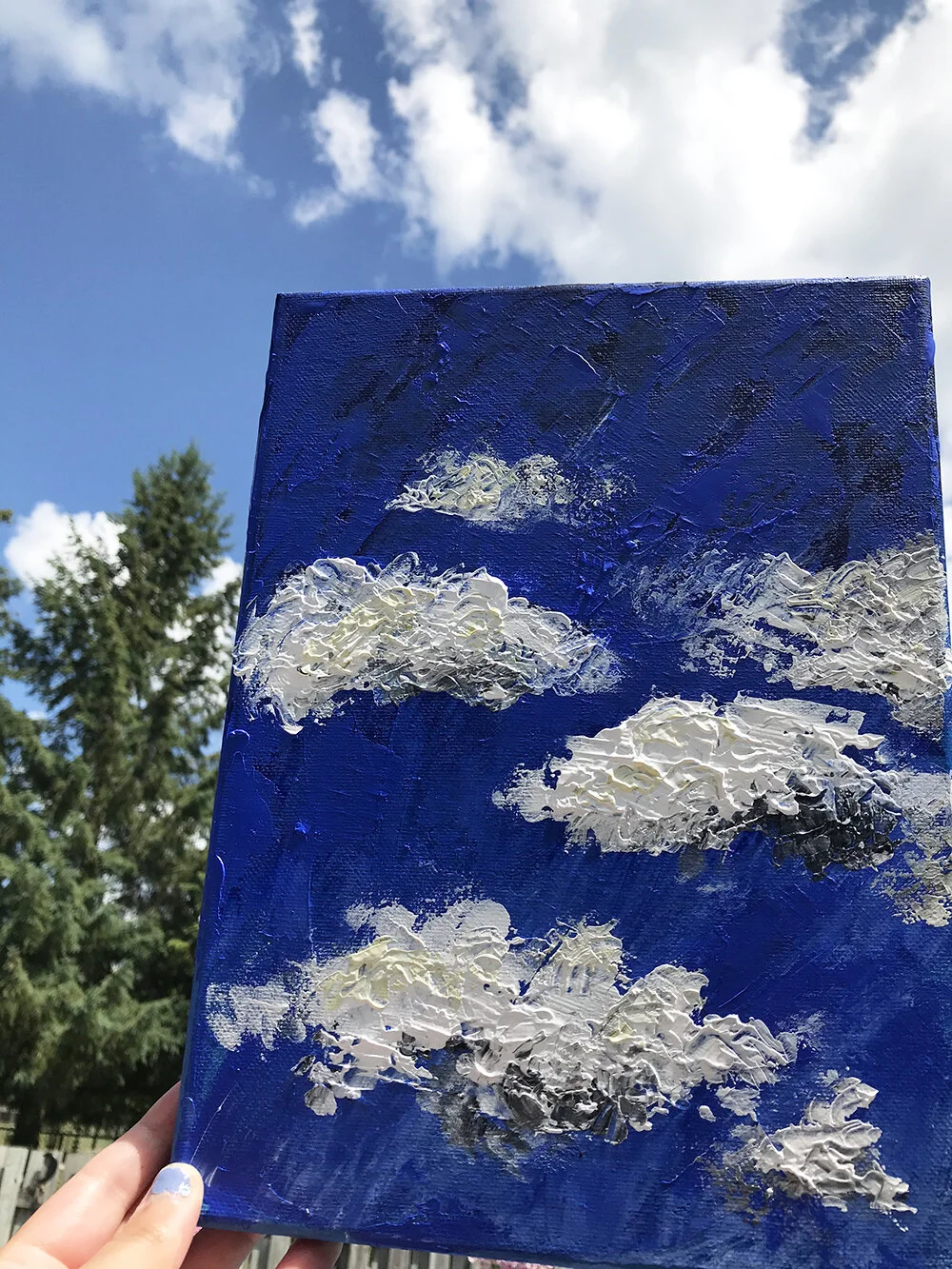
Clouds are something many painters avoid because they seem difficult to get right — too soft to paint convincingly, too variable to understand structurally. But with a palette knife, clouds become genuinely enjoyable to paint. The blunt edge of the knife is surprisingly well suited to creating soft, billowing cloud edges, and the way colours can be mixed directly on the canvas produces the subtle shifts from blue-white to grey-white to cream that make clouds look real.
In my palette knife clouds video, I cover how to plan a sky composition, how to mix the range of whites and greys you need, and how to use the edge and the flat of the knife to create different cloud textures. Once you understand a few key principles, you will find yourself wanting to paint sky after sky — and your landscapes will be transformed by the improvement in your cloud work.
Palette Knife River
A river landscape is one of those subjects that rewards a palette knife painter enormously. Water reflects the sky above it, the trees and banks beside it, and the light filtering through it — which means you are working with a rich, varied palette and learning to think about how reflected colour behaves.
In the palette knife river painting video, I walk through how to lay in a simple river composition, how to suggest the movement and shimmer of water using horizontal strokes of the knife, and how to create a sense of depth from the foreground of the river to the background of the landscape. This is a more involved project than the poppy or pumpkin paintings, and it is a wonderful next step once you feel comfortable with the basics of knife work.
I also share some tips in this video for simplifying a complex natural scene — one of the most valuable skills a landscape painter can develop.
Palette Knife Sunset
Few subjects lend themselves to palette knife painting as naturally as a sunset. The broad bands of colour, the dramatic gradations from deep orange and pink to soft lilac and navy, and the way clouds catch and reflect the last light of the day are all perfectly suited to the bold, expressive marks a palette knife makes.
In my palette knife sunset painting video, I show you how to build a glowing sky from the horizon up, how to mix the warm and cool colours that create a convincing sunset, and how to paint the silhouette of a landscape against that vibrant sky. This is one of my most popular video projects, and it is easy to see why — the finished paintings are striking and it is a project that even complete beginners can feel proud of.
Subscribe to My YouTube Channel
All of the videos mentioned in this post are available on my YouTube painting channel, where I share tutorials, technique tips, and painting projects for painters at every level. If you are working to improve your acrylic painting skills, I think you will find a lot there to inspire you. Make sure you subscribe so that new videos come straight to you — I add new content regularly and I would love to have you as part of the community.
Download My Free Beginner Painting Guide
If you are new to acrylic painting or still building your foundational skills, I have a free 12-page beginner guide available for download. It covers the ten most common mistakes beginner painters make and — more importantly — exactly how to avoid them. It is the kind of practical, honest guidance that I wish I had when I was starting out.
Click the button below to download your free copy and start painting with more confidence right away.
Conclusion:
The thing I love most about palette knife painting is that it asks you to commit. You load the knife, you make the stroke, and then you leave it alone. That decisiveness — that willingness to make a bold mark and trust it — is one of the most important skills a painter can develop, and the palette knife teaches it faster than almost anything else.
If you have been wanting to try it, I hope this post gives you everything you need to get started. Pick up a few knives, squeeze out some paint, and see what happens. You might just fall in love with it.
Related Articles:
Subscribe to my Painting YouTube Channel
Visit my Painting Recommended Supplies
Favourite Palette Knives