
Homeschool Art Ideas for Teens and Tweens
If you have a teen or tween who loves art, you may be wondering how to support their creativity and homeschool art in a meaningful way. Whether your child dreams of becoming an artist or simply enjoys creating, there are many ways to nurture their interests and build confidence.
Art is more than just a hobby. It’s a skill, a form of self-expression, and for many, a potential career path. With the right support, your child can grow creatively while also developing valuable life skills. This is especially important for families incorporating homeschool art, where creativity can become a core part of daily learning.
Homeschool Art
How to Support Your Teen or Tween That Loves Art
Integrating Art Into Everyday Family Life- Homeschool Art
One of the most powerful ways to support your child is by making art a natural part of your family rhythm.
You can do this by planning simple, meaningful experiences such as:
visiting local galleries, outdoor murals, sculptures, or interesting architecture
bringing a camera on hikes or trips to encourage photography
packing sketchbooks and art supplies for road trips or waiting rooms
allowing time for quiet sketching and creative exploration at home
Creating a dedicated space for art—even a small table or corner—helps your child feel that their creativity is valued.
Growing up, I had my own room which I called the craft room but basically it was an art studio where I could go and create. I knew that I wasn't going to get in trouble. If I spilled paint on the carpet it was a place where I could fully be creative. It was OK for me to leave it messy because my parents could just close the door and not worry about the mess in this room. I had full permission to be creative and to make anything that I wanted. I absolutely loved this space and it really encouraged me to pursue art school, and to become a professional artist and art teacher as I got older.
My parents really fostered my creativity, because every birthday and Christmas gift I would get art supplies or art kits that I loved. I learned lots of different new art skills and techniques through a variety of different arts and crafts. You can learn more about my 10 recommended gifts for artistic teens by clicking here for ideas.
Create Opportunities to Celebrate Their Work
Celebrating your child’s art builds confidence and reinforces that their work matters.
You can:
display their artwork in your home
rotate pieces in frames or on a bulletin board
host a small art show and invite friends and family
make it a special event with snacks, music, and a chance for them to talk about their work
These experiences help your child take pride in their creativity and feel seen.
Even with my own toddler, he is just so thrilled seeing his artwork hanging on the fridge you can just see the pride that he has in his eyes and it's so powerful to teach our kids, self-confidence and self-esteem at such a young age and through art and celebrating what they create it really helps achieve this in them.
Balance Structured and Unstructured Creativity
Both structured and unstructured art experiences are important.
Structured activities might include:
homeschool art curriculum
Unstructured time allows your child to:
experiment freely
explore their own ideas
develop their unique style
A balance of both helps build skills while also encouraging creativity and independence.
I'll think it's really important for kids especially young kids to engage in process art we want to give them permission to be fully creative tutorials colouring books craft that can all be helpful and skill development but it's really good for kids to explore the materials and to learn creativity on their own terms, and as kids get older and become teenagers, it's important for them to have creative expression to make decisions and practice being an artist deciding what do they want to create? What do they want to paint because through the creative process, they will learn different problem-solving, skills, and decision making skills that will help take their art to the next level.
Encouraging Art as a Career Path
It’s important to move away from the “starving artist” narrative and instead show your child that creative careers are possible and valuable.
Something my dad really struggled with coming from a business and finance background is that he was really scared for me to become an artist. He was worried that I wasn't going to make money and he projected his fear on me. He encouraged me to pursue teachers college as a back up plan I did love working with kids and had experience teaching kids through summer camps and through teaching figure skating so I like the idea of becoming the teacher, but I wish that I had more of his support and encouragement that I could become a successful artist, and as I got older, it took me a lot of inner work to stop worrying about what my father thought, and to give myself permission to really pursue my career as a professional artist and business owner.
You can check out my blog post on art related careers -here.
You can support this by:
introducing them to successful contemporary artists
talking about different creative careers
investing in quality art supplies that show you value their work
Help them understand that artists can earn income in many ways, such as:
selling original artwork or prints
commissions
teaching or workshops
licensing designs
content creation or social media

You can also begin teaching practical skills like:
basic budgeting
taking good photos of their artwork
creating a simple website or online portfolio
These small steps help them see that their art has real-world value.
Download my FREE 10 Tips for a Successful Art Portfolio Guide - This is a free guide great for students who are wanting to pursue art at the college or university level.
Supporting Their Creative Identity
For many teens, art is a big part of their identity. Supporting that means being mindful of how you talk about art—both theirs and your own.
Try to:
avoid harsh criticism
encourage effort and creativity
ask thoughtful questions about their work
You can also build their visual awareness by discussing everyday design:
Why does a logo stand out?
What makes an advertisement effective?
What draws your attention in a piece of art?
These conversations help develop critical thinking and artistic understanding.
Art Activities to Enjoy as a Family
Making art together is one of the best ways to support your child. Even if you don’t consider yourself “artistic,” your willingness to participate means a lot.
Some simple ideas include:
playing drawing games like Pictionary
making handmade cards and gifts
creating holiday decorations together
trying art kits or taking a class as a family
You can also explore different art forms such as:
sewing
weaving
embroidery
photography
These shared experiences create connection and show your child that their interests matter.
Exposing Them to a Wide Range of Art
Exposure to different styles and forms of art can inspire and expand your child’s creativity.
You can:
borrow art books from the library
watch documentaries or artist interviews
explore different cultural art traditions
visit local exhibits or community art shows
This is especially valuable in homeschool art settings, where you can tailor learning to your child’s interests.
Resources and Art Projects to Help with Homeschool Art
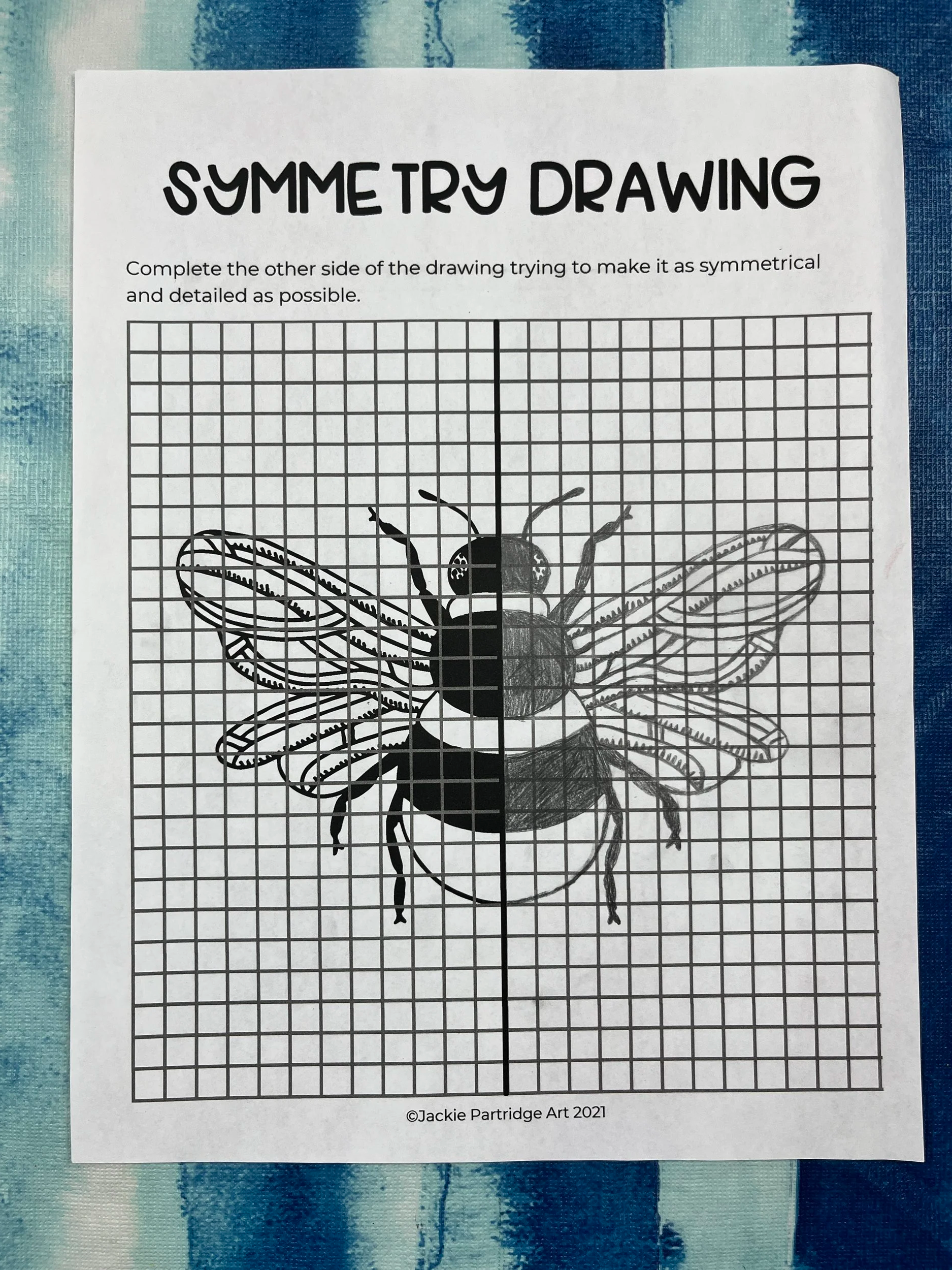
Symmetry Drawing for Middle School
Symmetry Drawing for High School
FREE Symmetry for Middle School
Conclusion:
Supporting a teen or tween who loves art doesn’t require a perfect plan. It’s about creating an environment where creativity is encouraged, valued, and celebrated.
By integrating art into everyday life, providing opportunities for growth, and treating their creativity as something meaningful, you help your child build confidence and develop skills that can last a lifetime.
Most importantly, show interest, stay curious, and be willing to create alongside them. That support can make all the difference.
Related Articles:
Popular Art Schools in North America
Download my FREE 10 Tips for a Successful Art Portfolio Guide
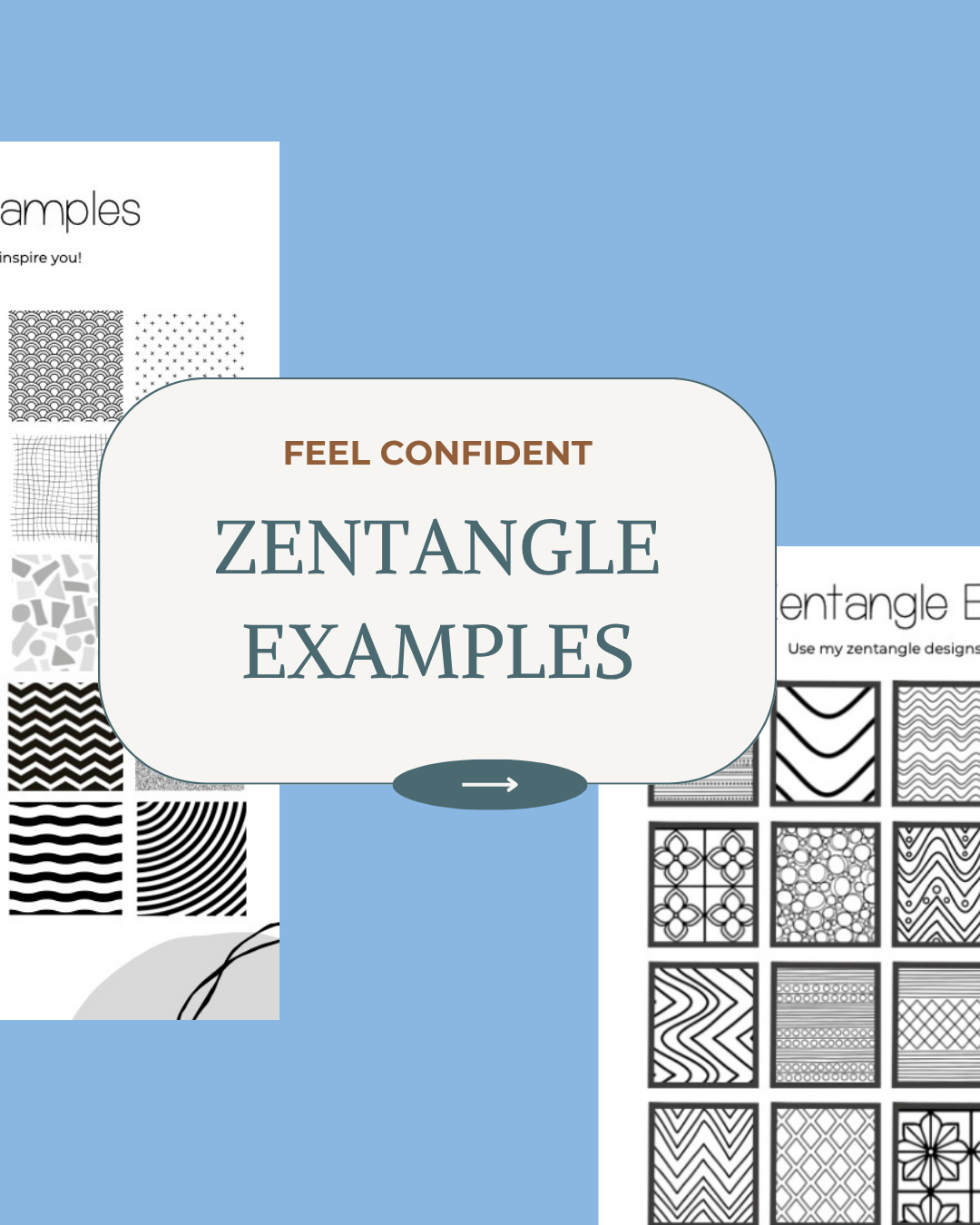
Slow down, breathe, and rediscover the joy of simple, calming mark-making with these beginner-friendly Zentangle worksheets and practice pages. Designed especially for adults aged 35–70 who are looking for a peaceful, low-pressure creative outlet, this printable PDF helps you ease into drawing and painting without overwhelm.
This digital download is perfect for beginner painters who want to build confidence, add beautiful detail to their artwork, or simply enjoy a quiet, mindful activity. Zentangle is known for its repetitive, structured patterns that promote relaxation and focus—making it an ideal practice if you are craving calm in your day.
Inside this PDF, you will find everything you need to get started:
• A clear instruction page to guide you step-by-step, even if you have never tried Zentangle before
• A recommended supplies page with simple, accessible tools (including Amazon links to make getting started easy)
• An easy-to-understand Zentangle technique explanation page to help you learn the basics and feel confident
• 5 example pages filled with beautiful Zentangle designs you can copy, trace, or use as inspiration in your paintings and drawings
• 2 blank practice pages where you can experiment, create your own patterns, and develop your personal style
These worksheets are designed to feel approachable, not intimidating. You do not need to be “good at drawing” to enjoy them. The focus is on gentle repetition, creative exploration, and giving yourself permission to slow down.
Use these pages as a quiet morning ritual, a screen-free evening activity, or a creative reset when you feel stuck or overwhelmed. Many artists also love incorporating Zentangle patterns into acrylic paintings, sketchbooks, greeting cards, and mixed media projects.
Because this is a digital PDF download, you can print the pages as many times as you like and return to them whenever you need a moment of calm.
If you are looking for a simple, soothing way to reconnect with your creativity and build confidence in your art, these Zentangle practice pages are a beautiful place to begin.