How to Use a Colour Wheel Art Lesson
Here’s how the Colour Wheel Art Lesson can serve as an exceptional foundation for launching a successful acrylic painting unit—especially when teaching the colour wheel, value scale, and basic mixing techniques to middle or high school students. To learn more about the colour wheel art lesson and how it can be incorporated into your painting unit -keep reading.
Colour Wheel Art Lesson
Using the Resource Confidently in Your Classroom
What the Resource Offers
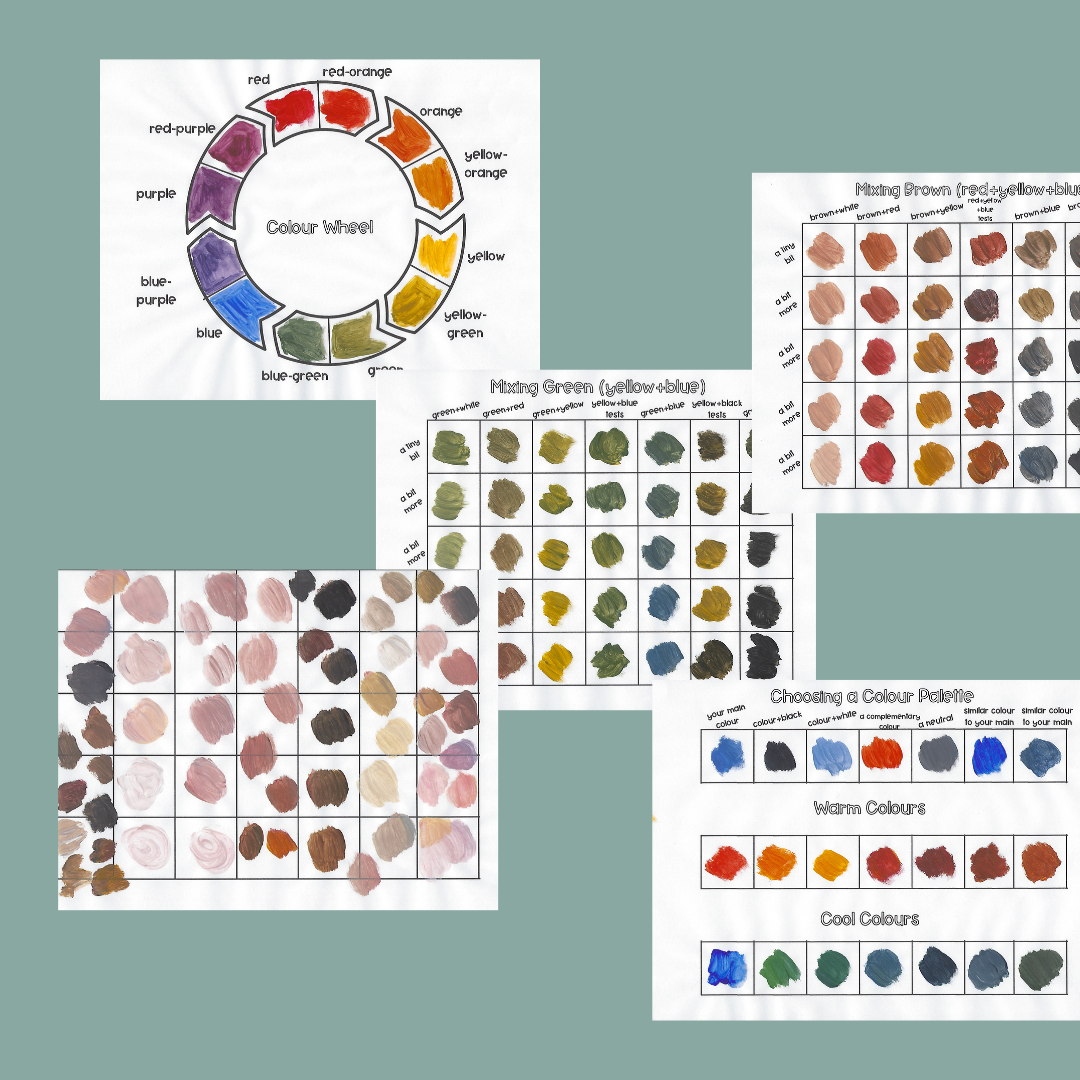
Video lessons that walk you step-by-step how to make a colour wheel and value scale, example pages and worksheets for students to complete. This is great for students in grades 4 and up starting an acrylic painting unit.
Why This Builds Confidence for You
Lesson scaffolding – With ready-made worksheets, you can walk into class knowing exactly what to teach to prep your acrylic painting unit.
Clear student expectations – Worksheets support students in understanding the steps—mixing primaries, exploring tints and shades, and practicing value scales—reducing confusion and boosting independence. There are video lessons that can be played to show students exactly how to mix colours effectively. This is great for sub plans or new art teachers.
Time-saving – By minimizing prep time, you can focus on modelling technique, offering feedback, and observing students as they practice, rather than scrambling to plan. The video lessons make it easy to use as sub plans if needed.
Structuring a Painting Unit with the Worksheets
Begin with Colour Wheel Basics
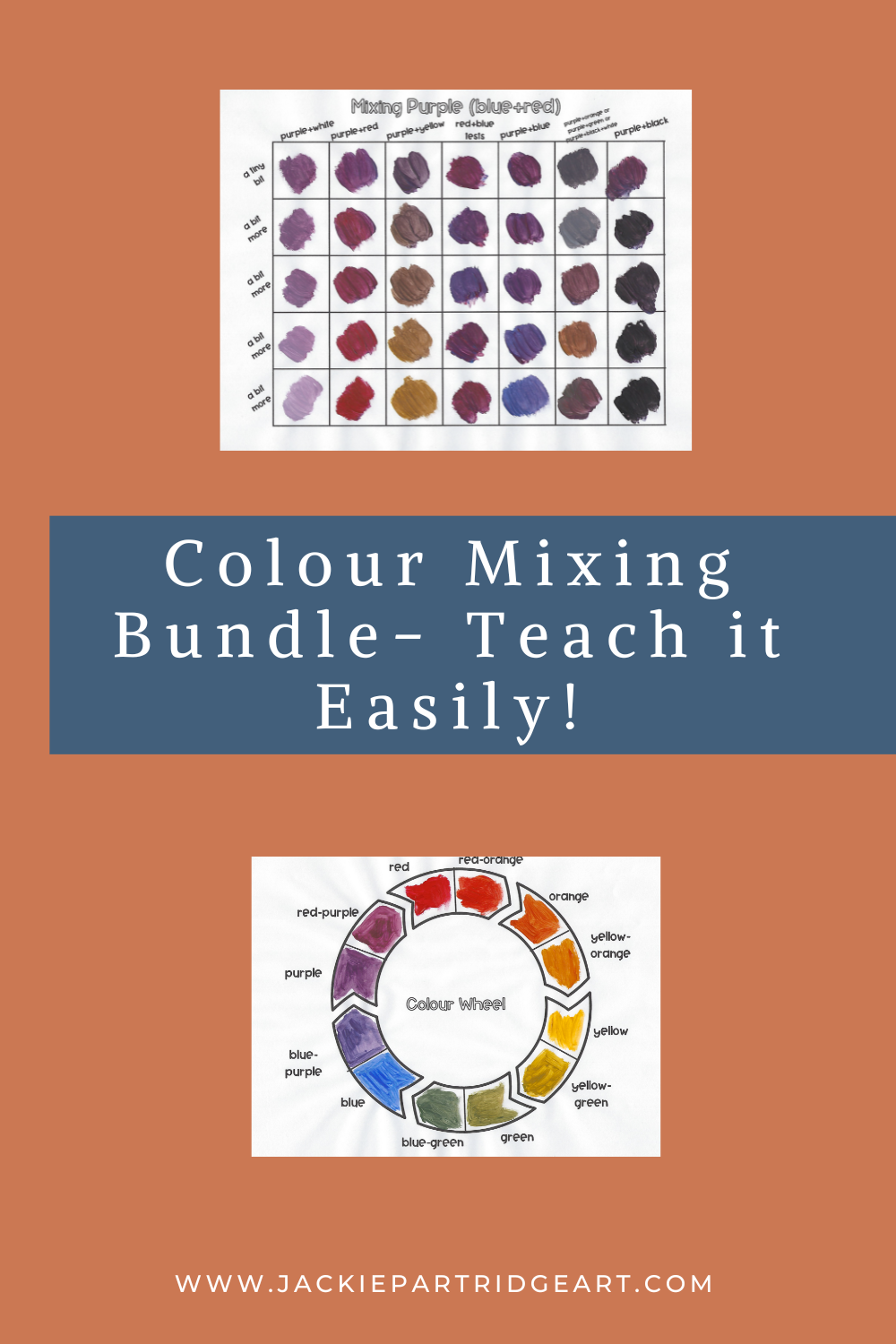
Start your unit using worksheets that guide students through the primary, secondary, and tertiary colours. This visual and hands-on practice cements understanding of how red, yellow, and blue mix to create new hues. Coupling the worksheet with a simple demonstration—say, mixing red and blue to form purple while referencing the wheel—anchors theory in practice.
Developing Value Scales
Introduce value scales through worksheets that require students to mix tints (adding white) and shades (adding black). This progression is crucial: it teaches tonal control, layering, and depth—skills essential for acrylic painting. Emphasizing these early concepts helps students feel in control of their medium, reducing frustration.
Exploring Neutrals and Subtle Hues
Later worksheets can lead into mixing complementary colours to create neutral tones or subtle greys—vital for realistic shading or transforming warm hues without jarring contrast. This step bridges technical mixing with artistic expression. FREE mixing green and grey resource -here!
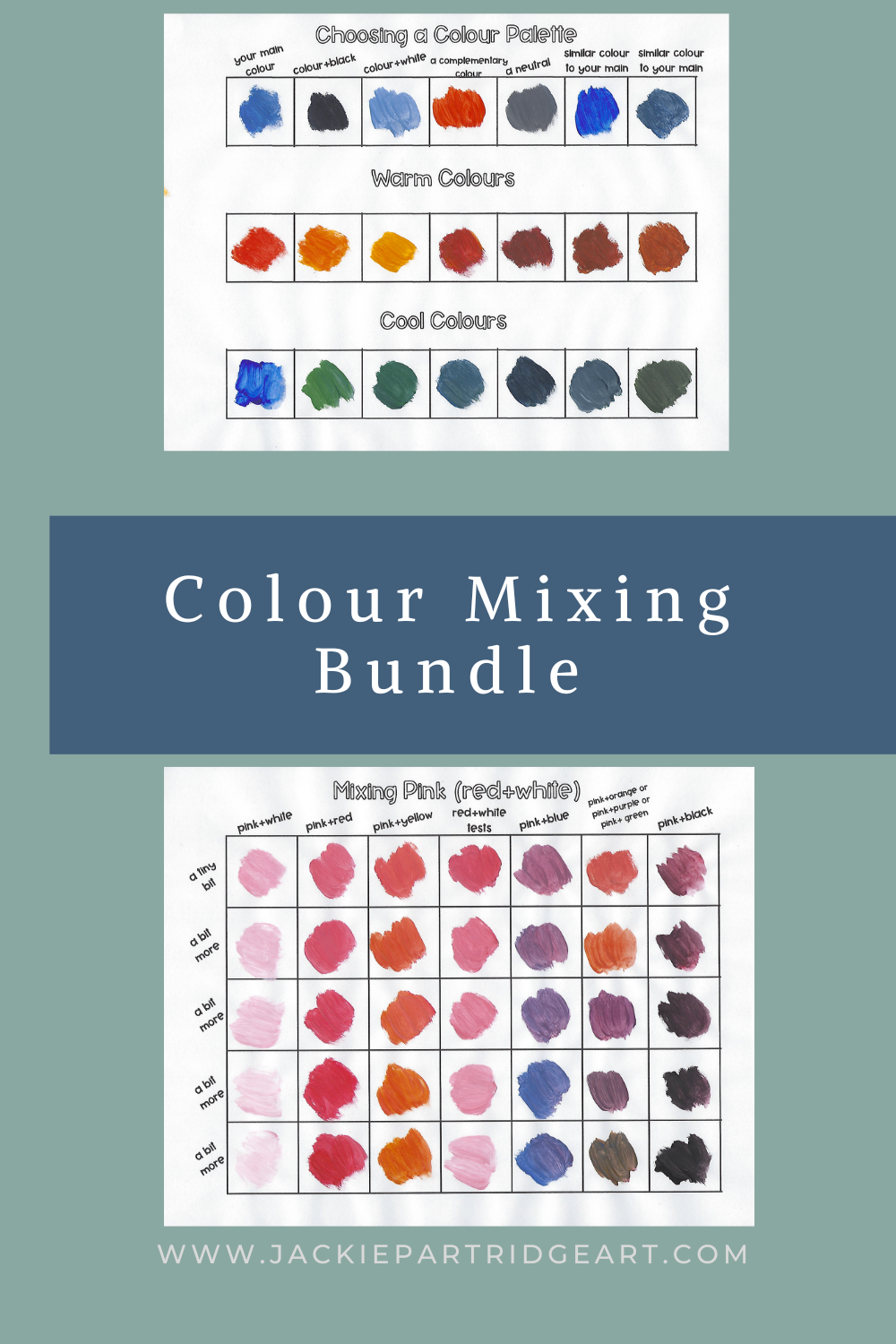
Get the mixing neutrals bonus when you purchase the colour mixing bundle!
Why This Resource Makes a Great Unit Starter
Foundational Skills
Builds essential mixing skills before applying paint to projects—students learn with intention.
Scaffolded Learning
Worksheets progress from structured (colour wheel) to exploratory (creating tints, shades, neutrals).
Confidence-Building
As corroborated by art educators, starting with exercises like value scales dramatically reduces wasted materials and frustration
Versatile Use
Suitable for whole-class guided instruction, small-group practice, or independent work during complex projects.
Suggested Lesson Flow
Day 1 – Introduction to the Colour Wheel
Demonstrate primary and secondary mixing.
Hand out the first worksheet: colour wheel activity.
Day 2 – Value Scales
Show mixing tints and shades.
Guide students through building a 5– or 7-part value scale on worksheet.
Day 3– Independent Mixing Exploration
Let students experiment freely using the worksheet prompts to record their “recipes.” Can check out my FREE colour mixing worksheets and video lessons of green and grey. Can also other colour mixing resources like how to mix skin colours in my colour mixing bundle - here!
Day 4 Onward – Apply to Acrylic Projects
Transition into painting projects—scenes, forms, or abstract compositions.
Students now begin their paintings informed by colour wheel logic and precise value control.
Conclusion:
This colour wheel and value scale art lesson brings:
A structured yet flexible entry point into acrylic painting.
Scaffolded practice that builds technical competence with the colour wheel and value scales.
An accessible framework for teachers to feel confident in instruction and for students to feel confident in their abilities.
By grounding your painting unit in these focused, practice-based exercises, you set the stage for richer exploration, stronger artistic results, and a smoother classroom experience overall.
Links Mentioned:
Colour Wheel and Value Scale Lesson
Colour Mixing Bundle - Save 30%
FREE Mixing Green/Grey Resource