Art Activities Preschool Students Will Love - 100 Creative Ideas!
If you're looking for art activities preschool students will love that are simple, engaging, and genuinely fun — you've come to the right place. Whether you're a homeschool parent, an early childhood educator, or a caregiver looking for something to do on a rainy afternoon, this list has you covered.
Preschoolers learn through doing. Art gives them a safe, joyful space to explore colour, texture, and materials — building fine motor skills, creative confidence, and sensory awareness all at once. The ideas below are organized by theme and type so you can find exactly what you need, when you need it.
Affiliate link note - this blog post contains affiliate links meaning I earn a very small commission for sharing supplies that I love and use at no extra cost to you. Thank you for supporting a small business.
Art Activities Preschool
Painting and Drawing Activities Preschool
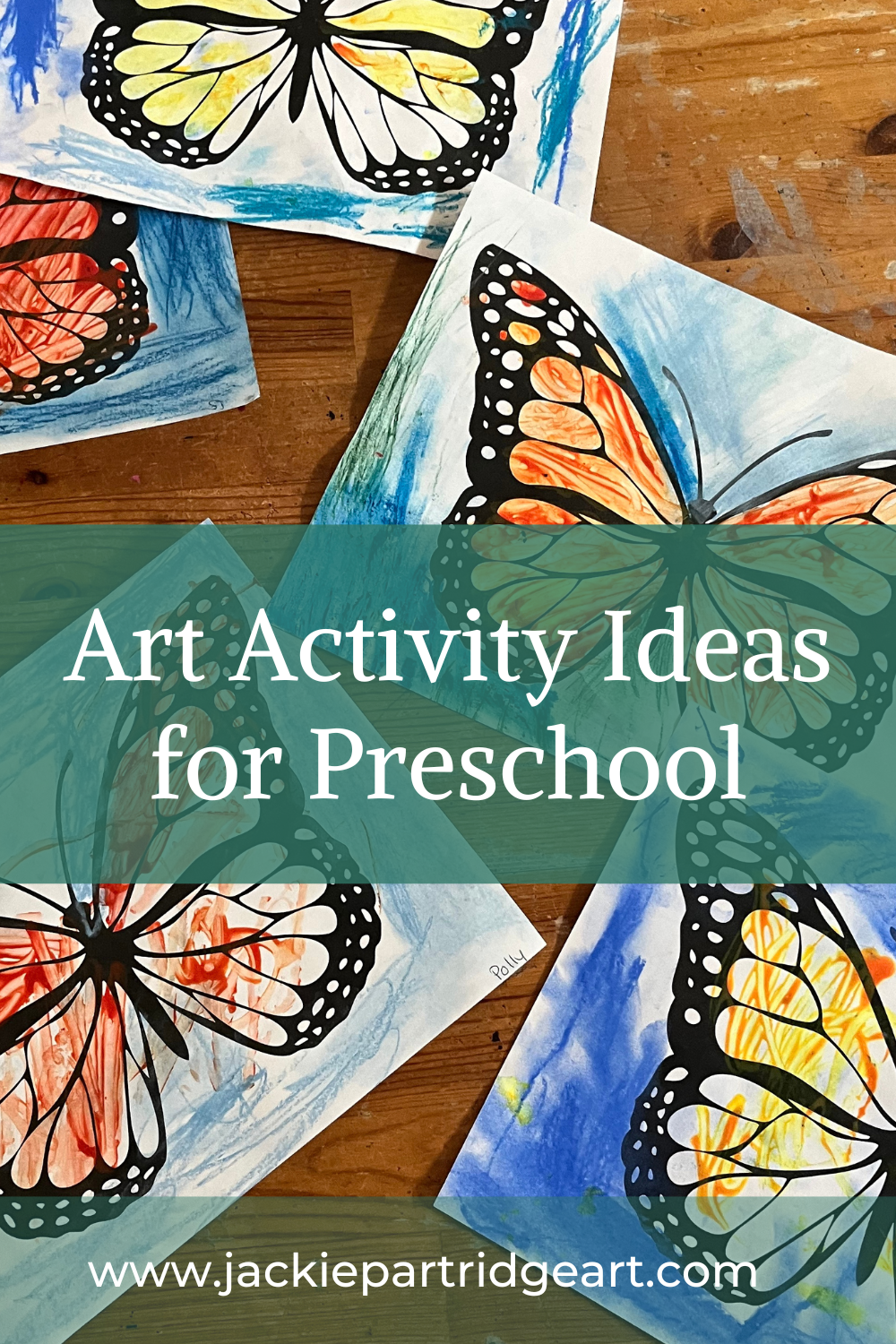
Painting is one of the most accessible and rewarding art experiences for young children. Keep paper large, expectations low, and let them explore.
Sponge painting with cut kitchen sponges
Cotton ball painting dipped in paint
Bubble wrap printing — dip a piece of bubble wrap in paint and press onto paper
Roller painting with foam rollers
Painting with water on a chalkboard or fence (mess-free and endlessly satisfying)
Watercolour painting on wet paper for a soft, blended effect - watercolour paper in bulk 250 sheets
Straw painting — drop paint on paper and blow through a straw to move it
Marble painting — place paper in a box, add a marble dipped in paint, and tilt
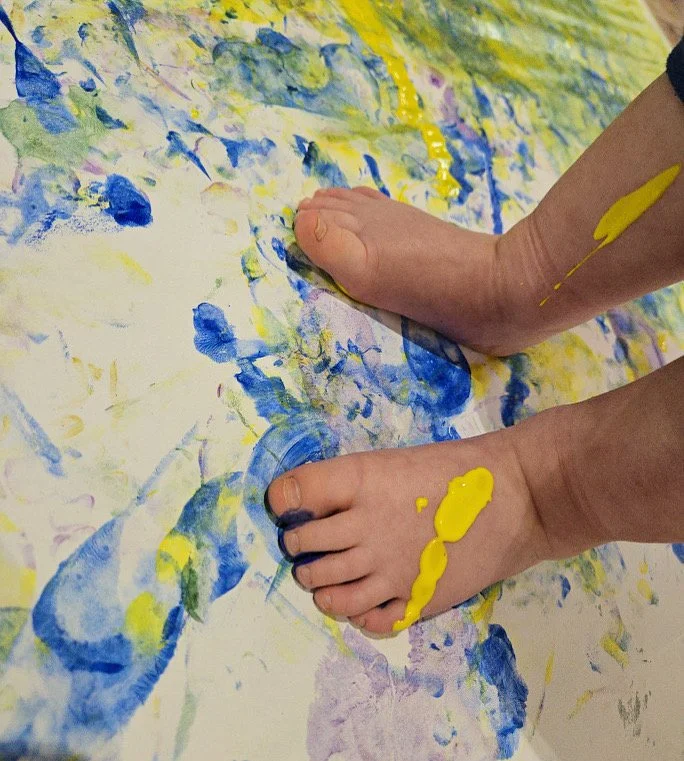
Foot and hand print painting
Painting with toy cars — roll wheels through paint and across paper
Ice cube painting — freeze paint into ice cubes and let children paint as they melt
Painting with leaves, sticks, or pine cones as brushes
Spray bottle painting (diluted paint in a small spray bottle)
Fork painting to create textured prints
Favourite Paints for Preschool
Tempera Paint Sticks - set of 12
Tempera Paint Sticks -set of 30
Collage Activities for Preschool
Collage is wonderful for developing fine motor skills and creativity. Keep a collage bin stocked with interesting materials and let children work freely.
Torn paper collage — tearing paper strengthens hand muscles
Nature collage with pressed leaves, petals, and small sticks
Tissue paper collage on contact paper
Magazine collage — cutting or tearing images from old magazines
Shape collage using pre-cut foam or paper shapes
Fabric scraps collage on cardboard
Foil and cellophane collage for a sparkly, sensory result
Seed and dried bean collage glued onto card
Cotton wool and yarn texture collage
Collage self-portrait using torn coloured paper
Play dough and Sensory Art
Sensory art engages the whole body and is particularly valuable for children who are still building tolerance for different textures and materials.
Classic homemade play dough (flour, salt, water, oil, and food colouring)
Scented play dough with lavender, vanilla, or cinnamon
Cloud dough (flour and coconut oil) for a softer texture
Play dough with natural loose parts — sticks, stones, flowers, shells
Kinetic sand sculpting
Cornstarch and water (oobleck) exploration
Shaving cream painting on a tray
Sand painting — draw with glue and sprinkle coloured sand
Finger painting in a sealed zip-lock bag (completely mess-free)
Play dough printing with cookie cutters and textured objects
Moon sand (fine sand and cornstarch) moulding
Goop or slime in nature colours for a sensory sculpting experience
Play dough fossils — press objects in to leave impressions
Sensory Supplies for Art Activities Preschool Kids Will Love!
Edible shimmer powder for water play - so many fun colours!
Silicone painting mat - reduce the mess!
Fine Motor Art Activities
These activities are designed to build the hand and finger strength young children need for writing, cutting, and detailed work.
Threading beads or pasta onto pipe cleaners or string
Tearing and gluing paper strips into woven patterns
Using an eye dropper to drop coloured water onto coffee filters
Sticker art — peeling and placing stickers builds pincer grip
Hole punching scrap paper (supervised) and gluing the dots onto paper
Play dough rolling and cutting with plastic knives
Weaving yarn through a loosely woven burlap piece
Lacing cards — thread yarn through punched holes
Painting with cotton swabs for precise dot work
Colouring in large, simple line drawings with thick crayons
Cutting with safety scissors along straight and curved lines
Peel-and-stick mosaic tiles or foam stickers on a template
Outdoor Art Activities for Preschool
Taking art outside changes everything. The light is better, the mess matters less, and children naturally engage more freely with the materials.
Sidewalk chalk drawing and tracing
Painting rocks with acrylic or tempera paint
Mud painting on large cardboard with sticks or fingers
Leaf rubbings with crayons and paper over outdoor leaves
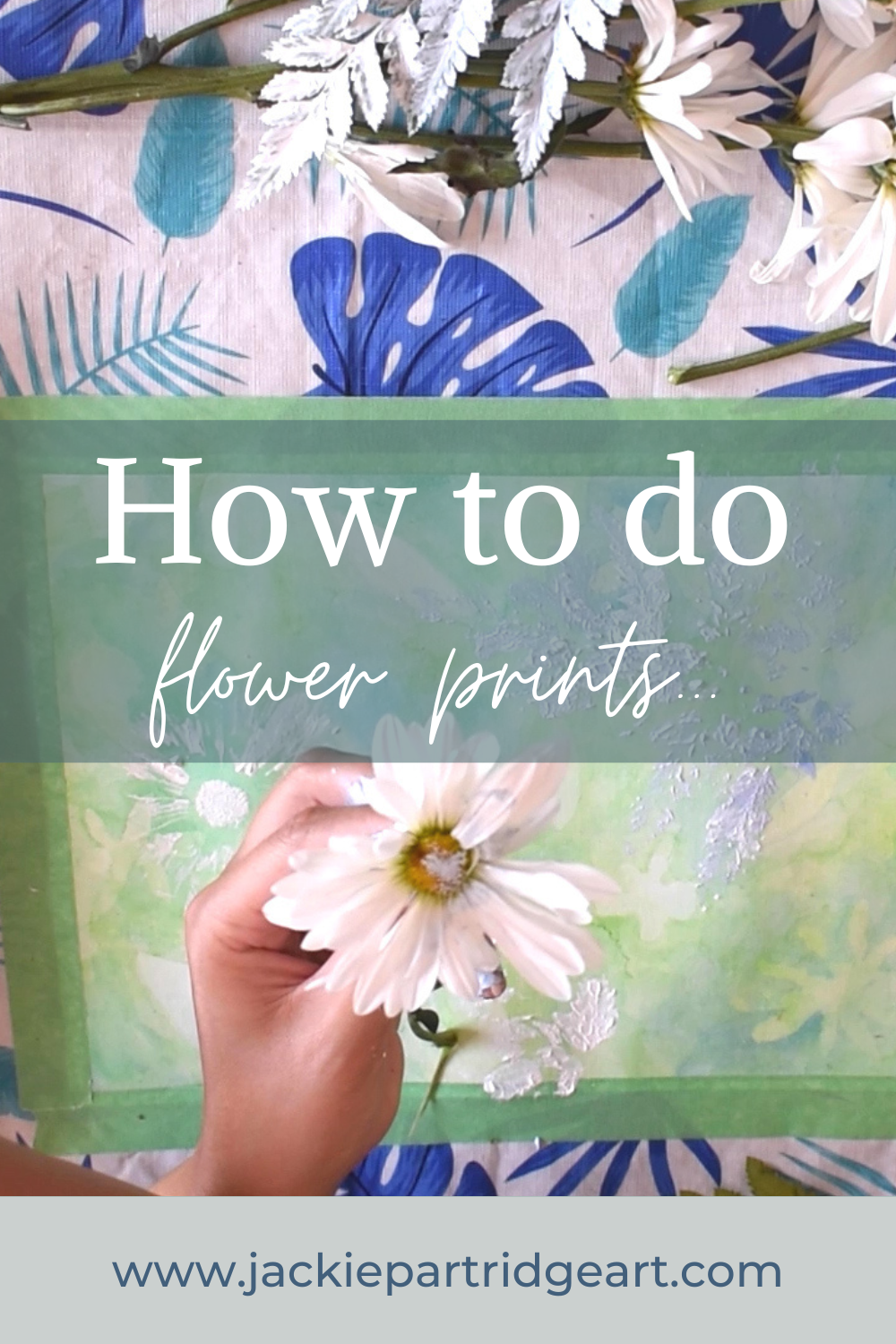
Printing with flowers, leaves, and bark dipped in paint
Painting fence boards or outdoor surfaces with water
Melted crayon art using the sun to soften crayons on paper
Stick weaving — weave yarn between two forked sticks
Outdoor large-scale painting on butcher paper taped to a fence
Cloud watching and drawing what you see
Shadow tracing — trace shadows of outdoor objects with chalk
Pressing flowers and leaves between paper with a heavy book
Art About Animals
Children are naturally drawn to animals, and using animal themes gives art a context that feels meaningful and exciting.
Handprint butterflies using two painted handprints
Fingerprint bugs and insects — thumbprints become ladybugs or bees
Paper plate lion with torn paper mane
Painted rock ladybugs or turtles
Yarn-wrapped fish on card stock
Tissue paper butterfly symmetry printing
Paper bag puppets of favourite animals
Collage birds using torn paper feathers
Painted leaf animals — use leaf shapes as the body of creatures
Clay or play dough animal sculptures
Printing with celery to make peacock feathers
Drawing animals from basic shapes — circle, triangle, rectangle
Art About Flowers and Plants
Flower-themed art is perfect for spring and summer, and connects naturally to science learning about the natural world.
Pressed flower bookmarks laminated in contact paper
Painting sunflowers using a circle sponge for the centre and petal prints
Coffee filter flowers coloured with washable markers and spritzed with water
Tissue paper flowers twisted onto pipe cleaner stems
Stamping with the cut end of celery to make rose-like prints
Watercolour resist flowers — draw with white crayon then paint over
Torn paper tulip collage
Leaf printing with real leaves dipped in paint
Handprint flowers — each finger is a petal
Growing and sketching a simple plant like a bean sprout
Seasonal Art Activities Preschool
Seasonal art helps children track the year and connects their creativity to the world changing around them.
Autumn:
86. Leaf rubbings in warm colours
87. Torn paper pumpkin collage
88. Apple printing with halved apples dipped in paint
89. Pinecone rolling in paint on paper
Winter:
90. Snowflake watercolour resist painting
91. Cotton wool winter scene collage
92. Marble painting in white and blue on dark paper for a night sky effect
93. Salt painting (paint with watercolour on glue, sprinkle salt for a sparkle effect)
Spring:
94. Rain painting — place paint dots on paper and let actual rain move them outside
95. Egg shell collage (washed, crushed shells glued and painted)
96. Fingerprint garden — dot prints become flowers on a stem
Summer:
97. Sun printing with objects laid on light-sensitive paper
98. Ice painting outdoors with frozen paint cubes
99. Watercolour beach scene with salt texture or painting on shells with watercolour paint
Process-Based Art for Preschool
Process-based art is about the experience of making — not the final product. There is no right or wrong result, and the child is fully in control of the outcome.
Free painting with any materials available, no direction given
Exploration trays with paint, tools, and paper — child decides how to use them
Mixed media play — set out paint, collage materials, and crayons with no instructions
Large paper on the floor with a variety of mark-making tools
Invitation to create — set up a beautiful tray of materials and simply observe
Monoprinting — paint on a tray and press paper on top to lift the image
How to Reduce Mess During Preschool Art
This is one of the most common questions I hear from parents and teachers. The good news is that a few simple systems make a significant difference without limiting the child's experience at all.
Start with the right surface. A low table covered in a plastic tablecloth or a length of butcher paper makes clean-up fast and simple. For painting, trays work beautifully — they contain drips and rolling objects and give children a defined work space.
Use smocks consistently. A waterproof long-sleeved smock covers most of a child's clothing and makes the habit of putting it on part of the art routine. I have a dedicated blog post that goes into detail on this — I'll link it here — and I also have a video that walks through my full set-up process for art with young children. If mess has been putting you off, I really think it will help.
Keep quantities small. Young children do not need a lot of paint. A small squeeze of two or three colours on a palette or paper plate is plenty. Less paint means less mess and more intentional use of what's there.
Have clean-up materials ready before you start. A damp cloth, a small tub of warm water for brushes, and a bin for scraps within easy reach means you can tidy as you go without interrupting the child's flow.
Conclusion
Art in early childhood is not about creating beautiful things — it's about building curious, confident, capable little people. When preschoolers paint, sculpt, collage, and explore, they are developing skills that reach far beyond the art room: problem solving, patience, coordination, self-expression, and the joy of making something from nothing.
You do not need expensive materials or elaborate set-ups. You need a willing child, something to make marks with, and the courage to let things get a little bit wonderful and messy.
If you found this list helpful, save it and come back to it throughout the year. I'd love to know which activities your children love most.
Related Articles:
Painting with Preschoolers -Reduce the mess!