
Art Activities for Fifth Graders: 10 Engaging Ideas to Build Skills and Confidence
Fifth grade is such a fun age for art. Students are ready to take creative risks, build technical skills, and express more of their own ideas. The key is choosing art activities for fifth graders that feel achievable, engaging, and flexible enough for different ability levels.
Whether you are planning for your classroom, a sub day, or even at-home learning, these ideas are designed to be low-prep, meaningful, and easy to implement.
Art Activities for Fifth Graders
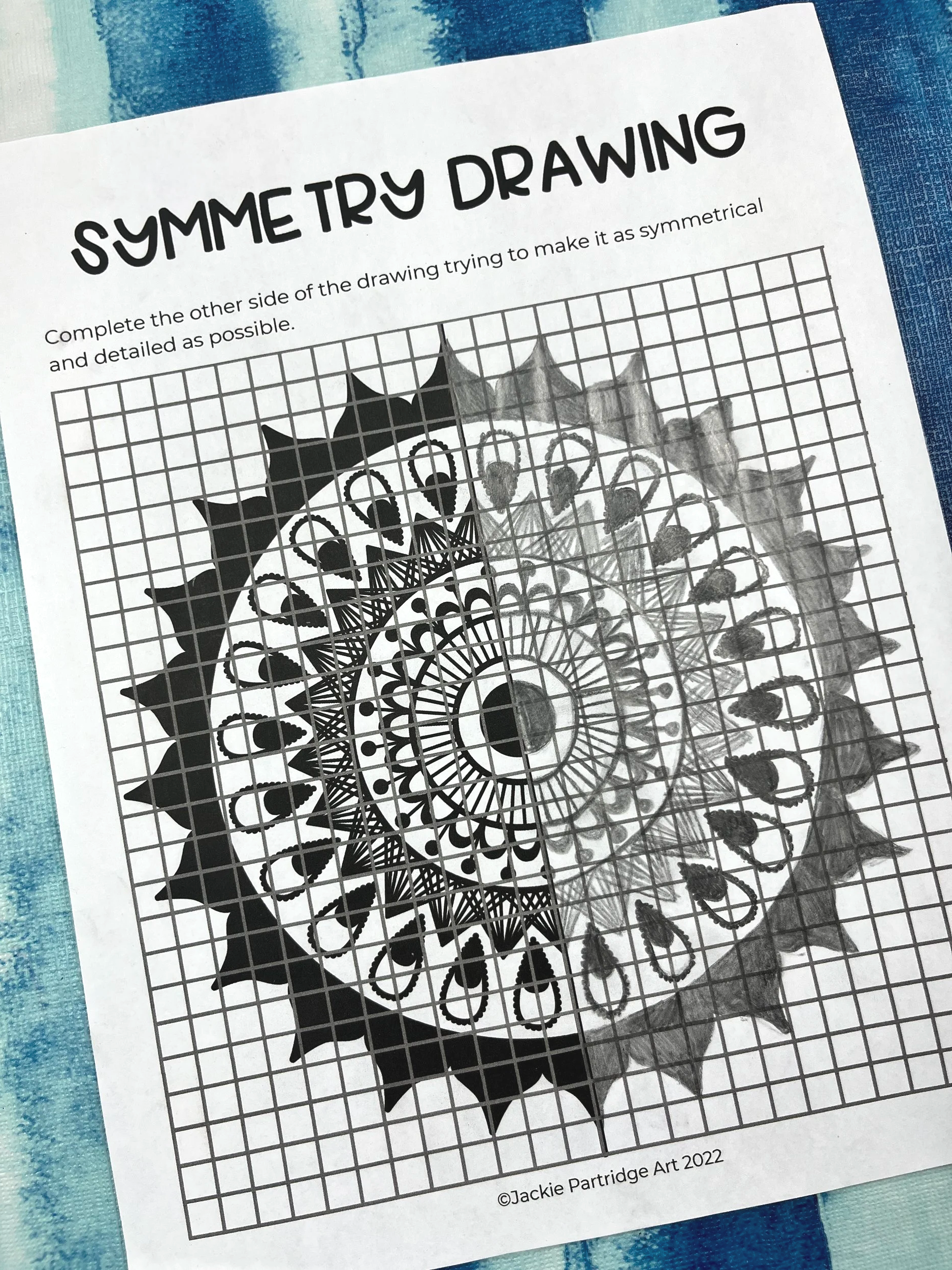
Symmetry Drawing Worksheets That Build Confidence
Symmetry drawing is one of the most effective ways to help students improve their drawing skills while still feeling successful.
You can introduce symmetry drawing worksheets in a variety of themes:
sports (basketballs, jerseys, equipment)
faces (portraits and expressions)
animals (pets and wildlife)
insects (butterflies, beetles, dragonflies)
Students are given half of an image and complete the other half. This strengthens observation, proportion, and focus.
Helpful tip:
Start with simpler images and gradually increase complexity. This builds confidence quickly, especially for students who feel unsure about drawing.
Try the Free Figure Drawing Symmetry Activity
If you want to take symmetry a step further, figure drawing symmetry is a great next step. Students complete half of a human figure, paying attention to proportions and body structure.
This is a fantastic introduction to figure drawing without overwhelming students.
Helpful tip:
Encourage students to lightly sketch first, then refine lines. Remind them that it is about observation, not perfection.
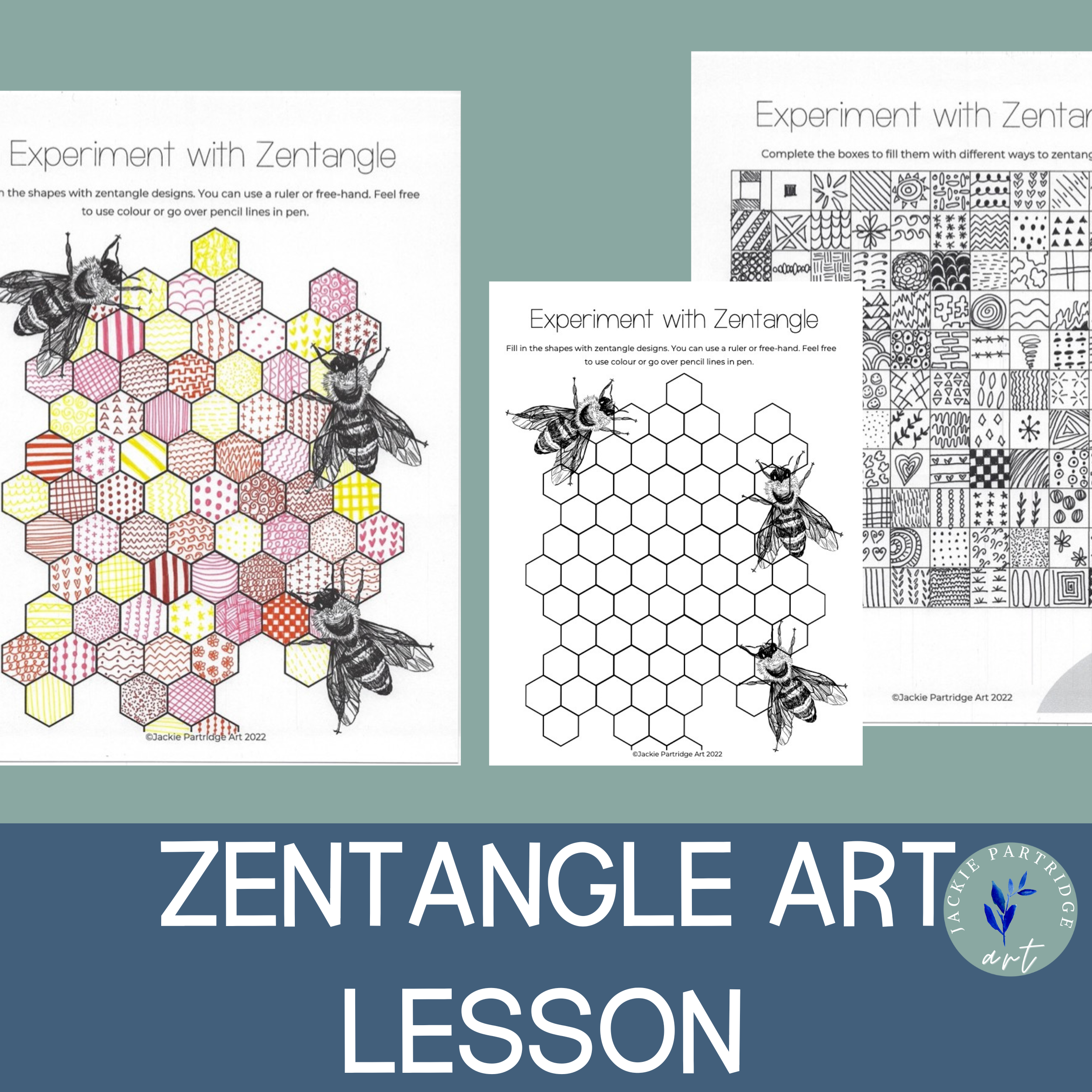
Zentangle Art For Focus And Creativity
Zentangle art is always a favourite in fifth grade classrooms. It combines structure with creativity and helps students relax while creating detailed designs.
You can explore several variations:
zentangle animals (fill animal shapes with patterns)
zentangle letter art (decorate initials or names)
Helpful tip:
Provide a small pattern reference sheet (lines, dots, waves, checkerboards). This helps students who feel stuck and keeps the activity flowing smoothly.
Bumble Bee Painting With Simple Techniques
A bumble bee painting lesson is perfect for combining drawing and painting skills. Students can learn about shape, colour, and composition while creating something fun and seasonal.
Break the lesson into simple steps:
sketch basic shapes (circles and ovals)
add stripes and wings
paint using yellow, black, and white
add a background (beehive, flowers or sky)
Helpful tip:
Use limited colours to keep the process manageable and less messy, especially if this is used as a sub plan.
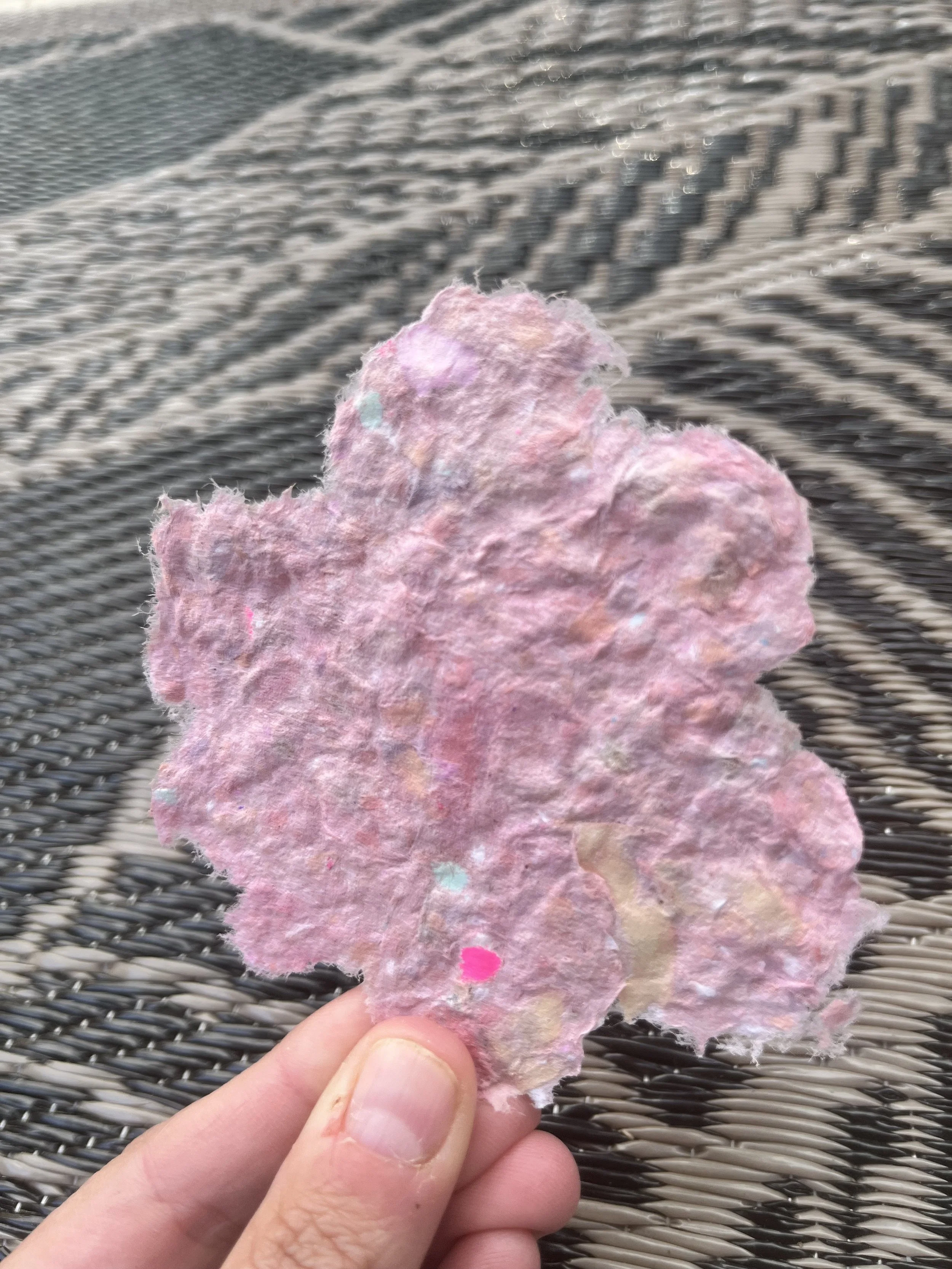
Making Seed Paper For Art And Sustainability
Making seed paper is a hands-on art activity that connects creativity with environmental awareness.
Students recycle scrap paper, blend it with water, and press it into new sheets embedded with seeds. Once dry, the paper can be planted.
Helpful tip:
Prepare pulp ahead of time if possible. If not, leave clear instructions and pre-measured materials to keep things simple for whoever is leading the activity.
Observational Drawing To Strengthen Skills
Give students a simple object (shoe, water bottle, or classroom item) and ask them to draw what they see.
This helps students slow down and really look at details, shapes, and proportions.
Helpful tip:
Encourage students to fill the page and add shading. You can include prompts like “draw what you see, not what you think you see.”
Name Art With Pattern And Design
Students create bold name art using block or bubble letters, then fill each section with patterns or colour designs.
This activity blends personal identity with design principles.
Helpful tip:
Model how to divide letters into sections so students can easily add patterns without feeling overwhelmed.
Or use my zentangle letter worksheets for an EASY no-prep art sub plan
Landscape Drawing With Foreground And Background
Teach students how to create depth by dividing their page into foreground, middle ground, and background.
They can draw mountains, trees, lakes, or cityscapes.
Helpful tip:
Use simple vocabulary and a quick board demonstration to show how objects get smaller as they move into the distance.
Creative “Finish The Drawing” Challenge
Provide students with a random shape or partial drawing and ask them to turn it into something creative.
This is a great fast-finisher activity or an easy sub plan.
Helpful tip:
Emphasize imagination. There is no right answer, which helps reduce perfectionism.
Simple Printmaking With Everyday Materials
Introduce basic printmaking using items like cardboard, foam, or found textures.
Students can create stamps and repeat patterns to form a design.
Helpful tip:
Limit materials and set clear expectations for clean-up to keep the activity manageable. You can use tempera paint which is easier to clean than printing ink.
How To Make These Activities Successful
The best art activities for fifth graders are clear, flexible, and engaging. Here are a few ways to make them run smoothly:
keep instructions short and visual
use familiar, easy-to-access materials
provide examples without limiting creativity
include extension ideas for early finishers
focus on process over perfection
When students feel supported and understand what to do, they are much more likely to stay engaged and enjoy the experience.
Why These Activities Work Well For Fifth Grade
At this age, students are developing stronger fine motor skills and beginning to think more critically about their work. Activities like symmetry drawing, zentangle, and observational drawing meet them right where they are.
They offer enough structure to feel manageable, while still allowing room for creativity and personal expression.
If you are building a collection of reliable lessons or sub plans, these art activities will give you a strong foundation that you can return to again and again.
Related Articles:
10 art lessons for 10 year olds
Fun Activities for Middle School
100 Art Ideas for Middle School