Ultimate Guide to Acrylic Paint Pens
You probably have seen acrylic paint pens everywhere — from sketchbooks and classrooms to murals and rock painting.
But what actually makes them stand out? What are acrylic paint pens and how do you use them? What brand of acrylic paint pens do artists recommend?
This guide breaks it down in a practical, honest way — especially helpful if you’re an art teacher, parent, or teen building an art portfolio.
Acrylic Paint Pens
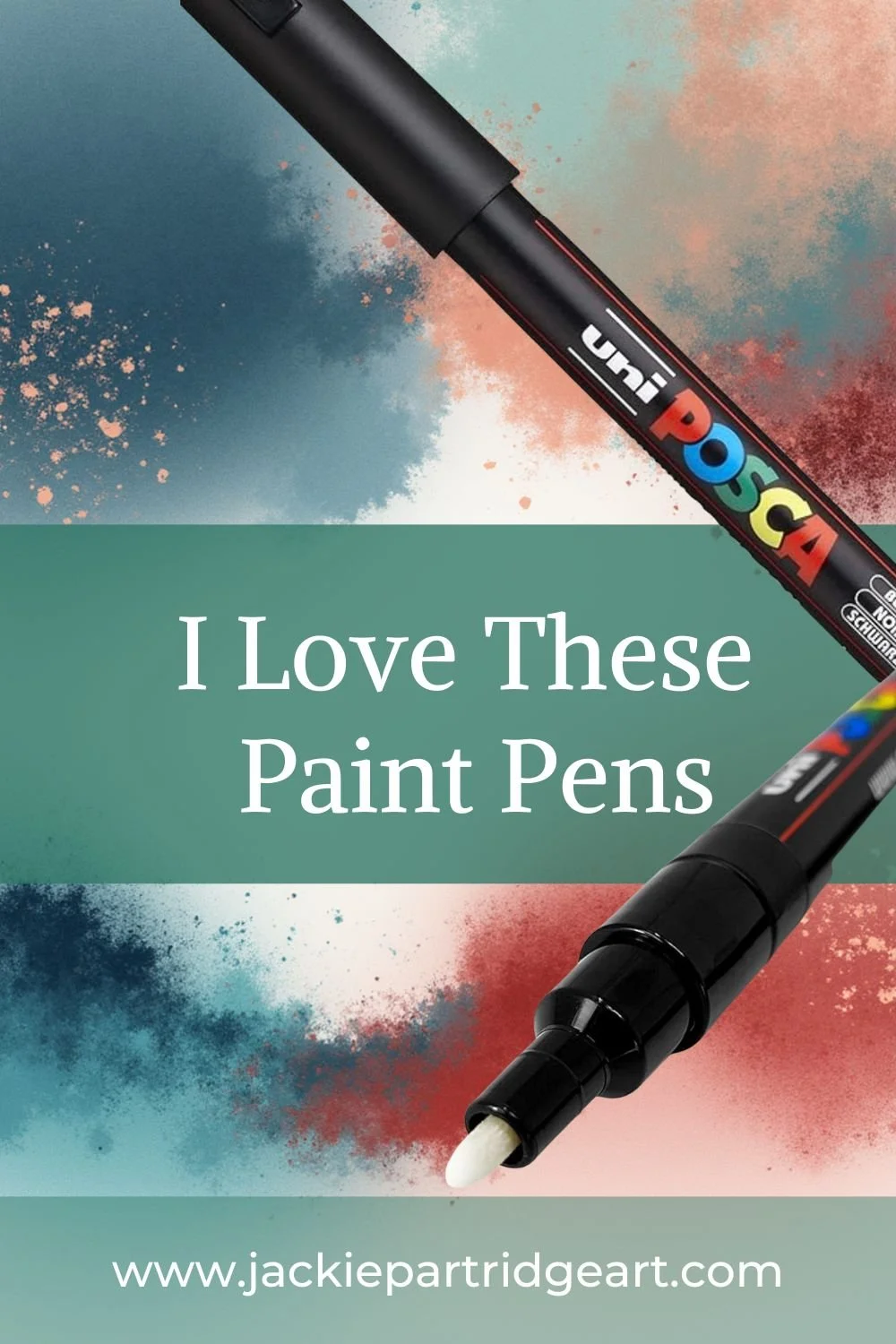
There are lots of different brands of acrylic, paint, pens out there, but as an artist who has been using Poska pens for over a decade, I truly recommend this brand in particular.
Please note that this blog post contains affiliate links meaning I earn a small commission for sharing art supplies that I love and use at no extra cost to you. Thank you for supporting a small business.
What Are Posca Paint Pens?
POSCA pens are water-based acrylic paint pens created by Uni Mitsubishi Pencil Company. Instead of ink (like regular markers), they contain highly pigmented acrylic paint. This makes the colour opaque and excellent for layering to add to your acrylic paintings or other projects. It also allows you to use acrylic paint pens on a variety of surfaces.
How Long do Paint Pens Last?
I have had some for close to 5-10 years and they still work. It all depends how often you use acrylic paint markers in your projects.
Here are the Links to the Posca Pens I Recommend:
21 set of extra fine Posca pens - all colours
6 black and white Posca Pens -different sizes
Different size white Posca pens
Posca pens -extra-fine set of 3
Unlike dye-based markers, these use pigments, which means:
stronger colours that are more vibrant
better coverage
more lightfast (less fading over time)
Why Artists Prefer Posca (Over Regular Markers) 7 Reasons I Love Them!
1. True, opaque colour (even on dark surfaces)
Most markers are transparent — you need layers to build colour. It looks so neat to add Posca pens like white, pastel or neon colours to a dark surface like black or navy blue.
POSCA pens are different:
colours are opaque
they show up on black paper, wood, or even glass
often cover in one pass -meaning they last longer
What are Acrylic Paint Markers Used for:
portfolio work
bold graphic styles
Outlines or adding text or fine details
2. They work on almost anything
One of the biggest advantages is surface versatility.
You can use them on:
paper and cardboard
canvas
wood
rocks
glass
fabric
metal and plastic
3. No mess, no setup
Traditional acrylic paint requires:
brushes
water
palettes
drying space
Posca pens simplify the process:
no water needed
no spills
minimal cleanup
ready to use immediately
This is one of the biggest reasons art teachers love them and as artists they are just easy to use - like using a regular pen or marker.
4. Layering and blending (without frustration)
Because they’re water-based:
you can layer colours once dry
blend while wet
create gradients and details easily
Compared to alcohol markers:
less bleeding
more control
cleaner edges
5. Wide range of tip sizes = more control
POSCA pens come in multiple tip sizes and shapes:
extra-fine for details
medium for general drawing
broad for filling large areas
The tips are designed to give:
smooth, consistent lines
durability over time
This makes them ideal for:
beginners learning control
teens building portfolio pieces
detailed illustration work
6. Matte, professional finish
POSCA paint dries:
matte (not shiny or streaky)
smooth
consistent
This gives artwork a more professional, finished look compared to many markers or craft paints.
7. Safe and classroom-friendly
Because they are:
water-based
odourless
non-toxic
They’re a strong choice for:
elementary classrooms
homeschool families
Workshops
Artists at all levels
How They Compare to Other Art Supplies
Here’s a simple breakdown:
Vs. regular markers
POSCA = opaque, paint-like
markers = transparent, ink-based
Vs. acrylic paint
POSCA = more control, less mess
paint = more coverage for large areas
Vs. alcohol markers (like Copic)
POSCA = works on many surfaces
alcohol markers = mostly paper only
When Posca Pens Work Best
They’re especially useful for:
mandalas and pattern work
rock painting
mixed media sketchbooks
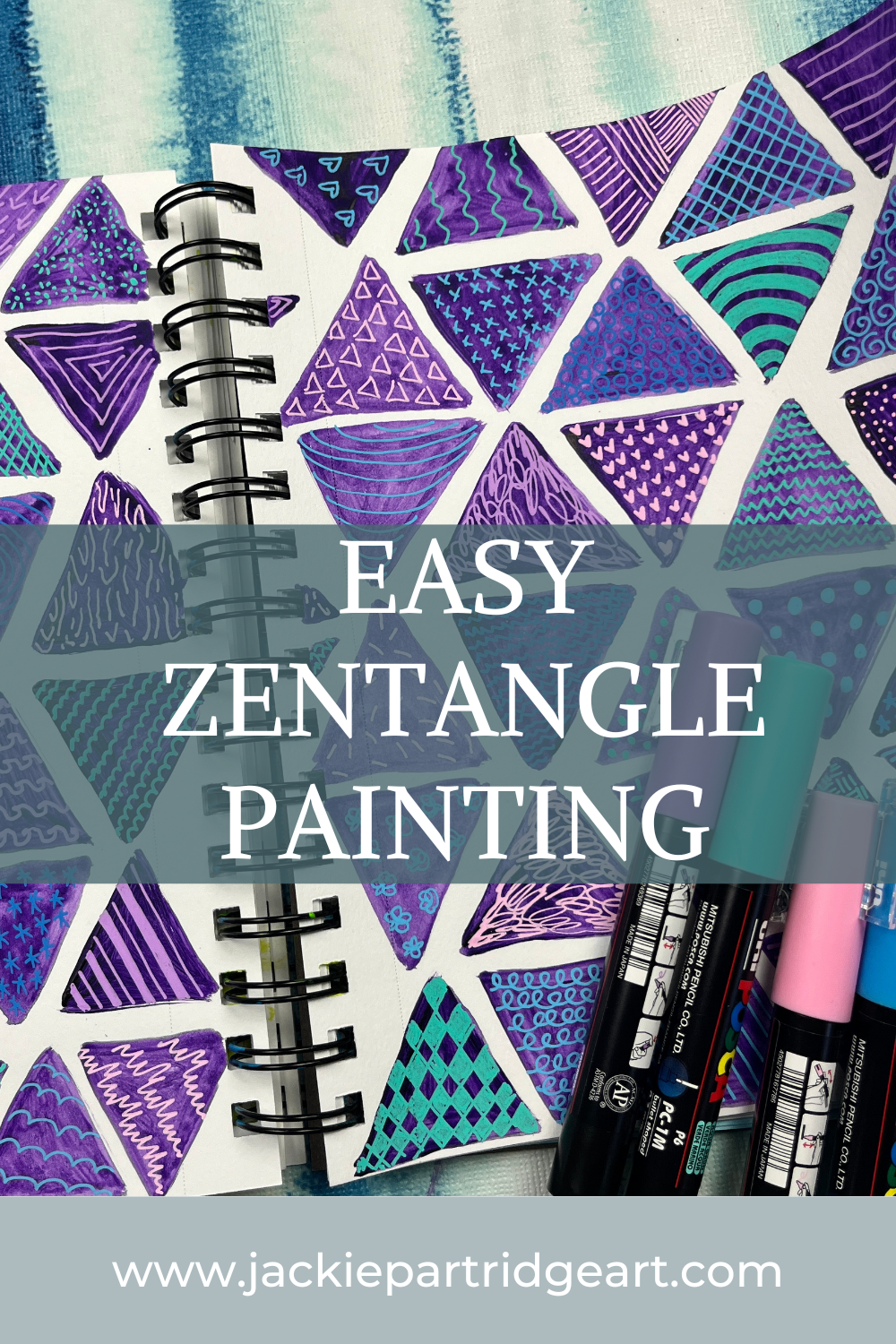
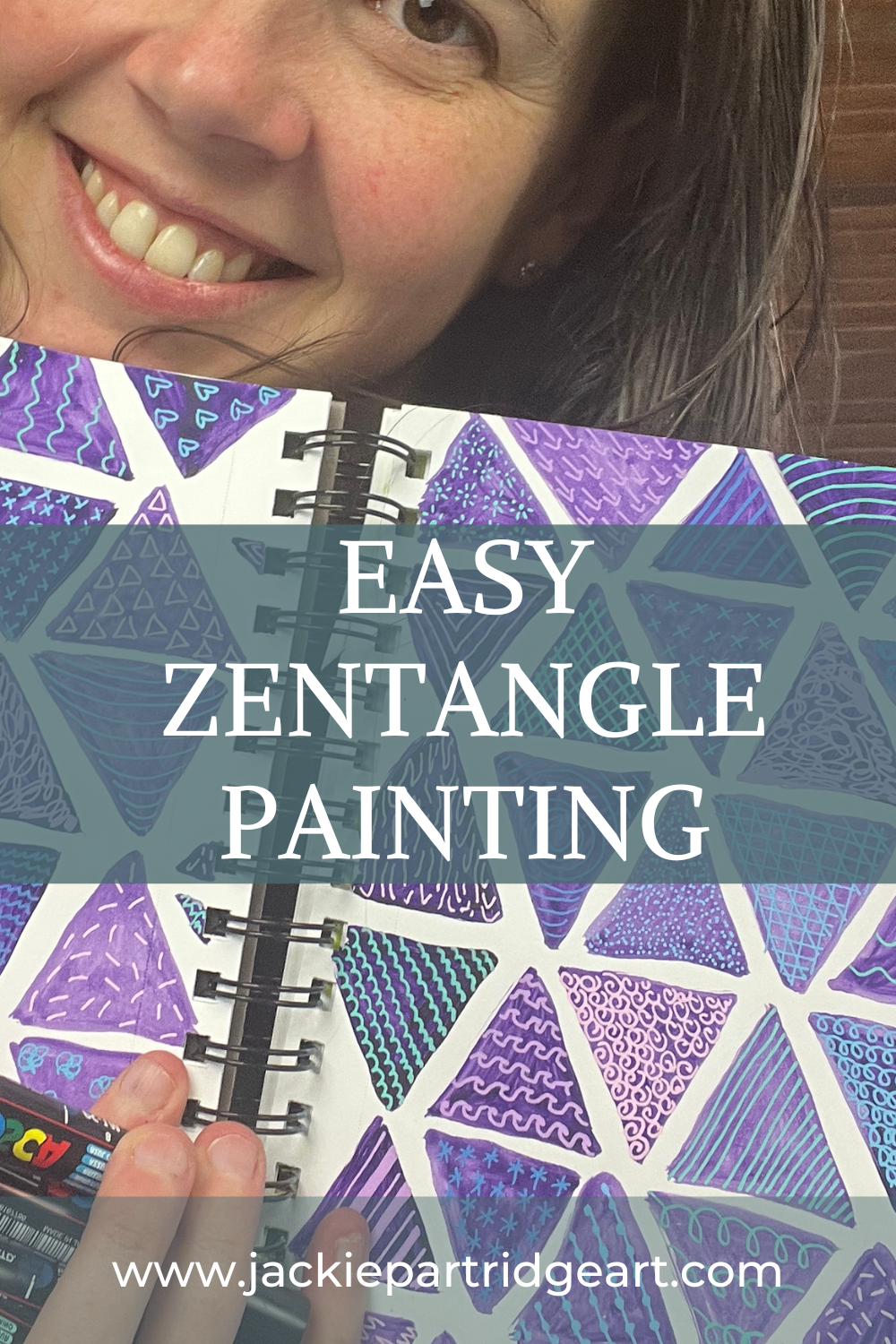
Zentangle art - see this video here.
outlining and finishing paintings
customizing objects (shoes, signs, etc.)
For Beginners and Teens They are:
easy to learn
forgiving
produce high-quality results quickly
A Few Honest Limitations
To keep this realistic:
they can be more expensive than basic markers
not refillable (unlike some pro markers)
paper quality matters (thin paper can warp)
That said, most artists feel the quality and versatility justify the cost.
Why They’re Worth Trying
POSCA pens sit in a unique space between drawing and painting.
They give you:
the control of a marker
the finish of paint
the versatility of mixed media
That combination is hard to beat — especially for students building confidence and skill.
Where to Get Them
If you’re curious to try them, you can check out the exact sets I use here:
Check out this set of 21 extra fine, Posca pens. I love this site because it comes in a range of colours, including black and white, silver and gold neon colours and pastel colours. The extra fine tips are really nice for adding outlines for writing text or adding details to your acrylic paintings, or other personal projects.
I also really like this set of white and black Posca pens. This site has three different sizes of small, medium and large, and the white and black are really versatile especially for adding zentangle designs or adding outlines to your paintings.
Related Articles:
You can check out how to use Posco pens by watching the video below:
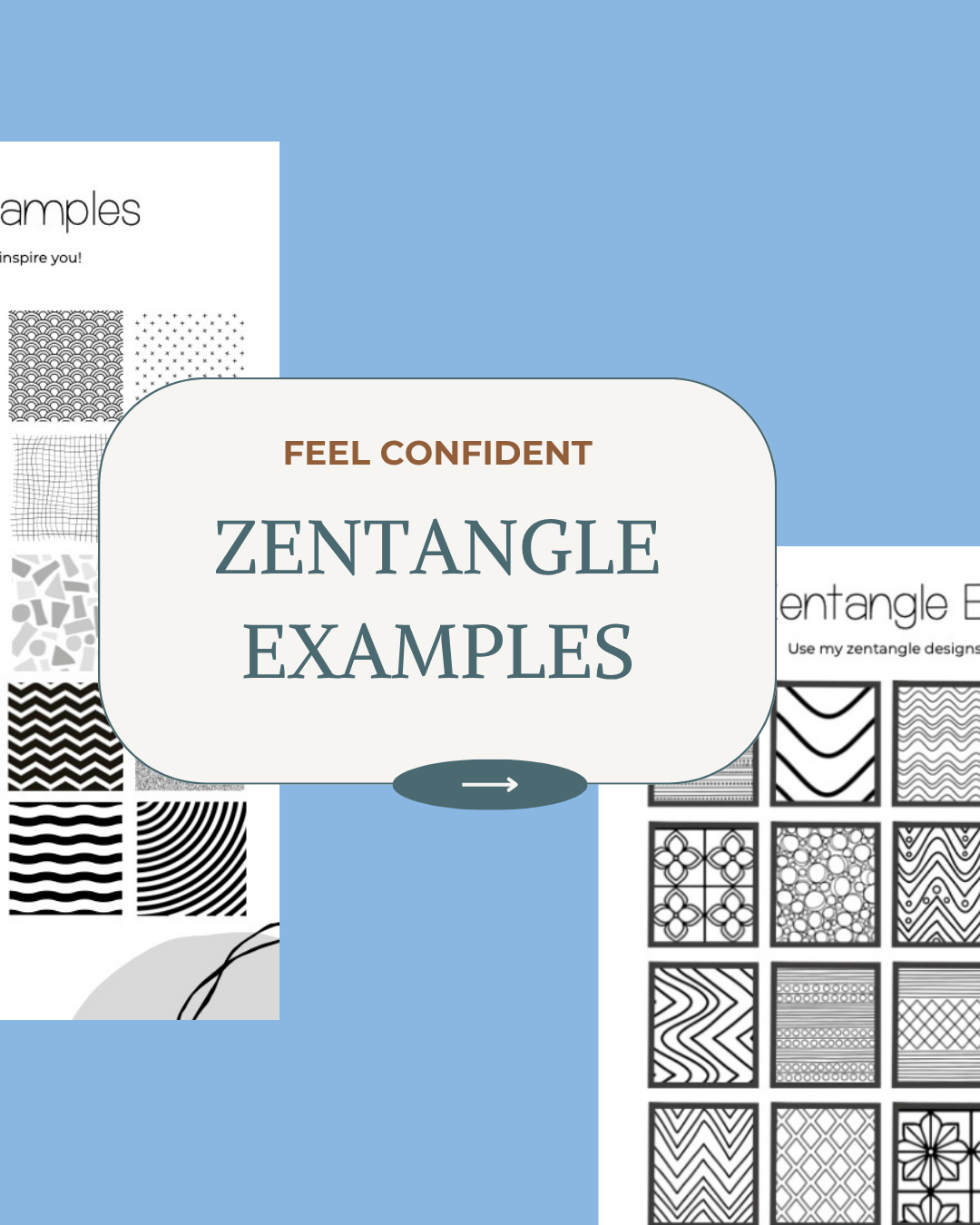
Slow down, breathe, and rediscover the joy of simple, calming mark-making with these beginner-friendly Zentangle worksheets and practice pages. Designed especially for adults aged 35–70 who are looking for a peaceful, low-pressure creative outlet, this printable PDF helps you ease into drawing and painting without overwhelm.
This digital download is perfect for beginner painters who want to build confidence, add beautiful detail to their artwork, or simply enjoy a quiet, mindful activity. Zentangle is known for its repetitive, structured patterns that promote relaxation and focus—making it an ideal practice if you are craving calm in your day.
Inside this PDF, you will find everything you need to get started:
• A clear instruction page to guide you step-by-step, even if you have never tried Zentangle before
• A recommended supplies page with simple, accessible tools (including Amazon links to make getting started easy)
• An easy-to-understand Zentangle technique explanation page to help you learn the basics and feel confident
• 5 example pages filled with beautiful Zentangle designs you can copy, trace, or use as inspiration in your paintings and drawings
• 2 blank practice pages where you can experiment, create your own patterns, and develop your personal style
These worksheets are designed to feel approachable, not intimidating. You do not need to be “good at drawing” to enjoy them. The focus is on gentle repetition, creative exploration, and giving yourself permission to slow down.
Use these pages as a quiet morning ritual, a screen-free evening activity, or a creative reset when you feel stuck or overwhelmed. Many artists also love incorporating Zentangle patterns into acrylic paintings, sketchbooks, greeting cards, and mixed media projects.
Because this is a digital PDF download, you can print the pages as many times as you like and return to them whenever you need a moment of calm.
If you are looking for a simple, soothing way to reconnect with your creativity and build confidence in your art, these Zentangle practice pages are a beautiful place to begin.