Pleinaire Painting: What It Is and How to Get Started Outdoors
There is something genuinely different about painting outside. Learn how to do pleinaire painting and the supplies you need in this post. The light shifts, the air moves, the colours are richer and more surprising than anything you can replicate indoors — and the whole experience of making art feels more alive. If you have ever been curious about pleinaire painting but weren't sure where to begin, this post is for you.
Below I'll walk you through what pleinaire painting actually is, where the tradition comes from, what supplies you need to get started, and some practical tips to make your first outdoor painting session a success rather than a stressful one.
Pleinaire Painting
What Is Plein Air/Pleinaire Painting?
The term "plein air" comes from the French expression "en plein air," which simply means "in the open air." Plein air painting, then, is the practice of taking your supplies outdoors and painting directly from the scene in front of you — landscapes, coastlines, gardens, city streets, forests, fields — whatever the natural or outdoor world has to offer.
It sounds straightforward, but it is a practice with deep roots in art history and one that continues to challenge and inspire painters at every level.
A Brief History: From Monet to Today
French Impressionist painters are perhaps the most famous practitioners of plein air painting, and Claude Monet is the name most people associate with the tradition. Monet and his contemporaries were captivated by something that studio painters could not easily access: the quality of natural light and the way it changes over the course of a day.
Painting a haystack or a cathedral facade at eight in the morning looks entirely different from painting it at noon or in the late afternoon. The shadows shift, the colours warm and cool, the whole mood of the scene transforms. Impressionist painters wanted to capture that — the feeling of a specific moment in light rather than a timeless, idealized version of a subject. Painting outdoors, directly from life, was the only way to do it.
That same impulse is what draws painters outside today. Whether you work in oils, watercolours, or acrylics, plein air painting trains you to see colour and light in ways that indoor painting simply cannot. It makes you faster, more observant, and more confident in your decision-making — because outside, the light does not wait for you.
Why Try Pleinaire Painting?
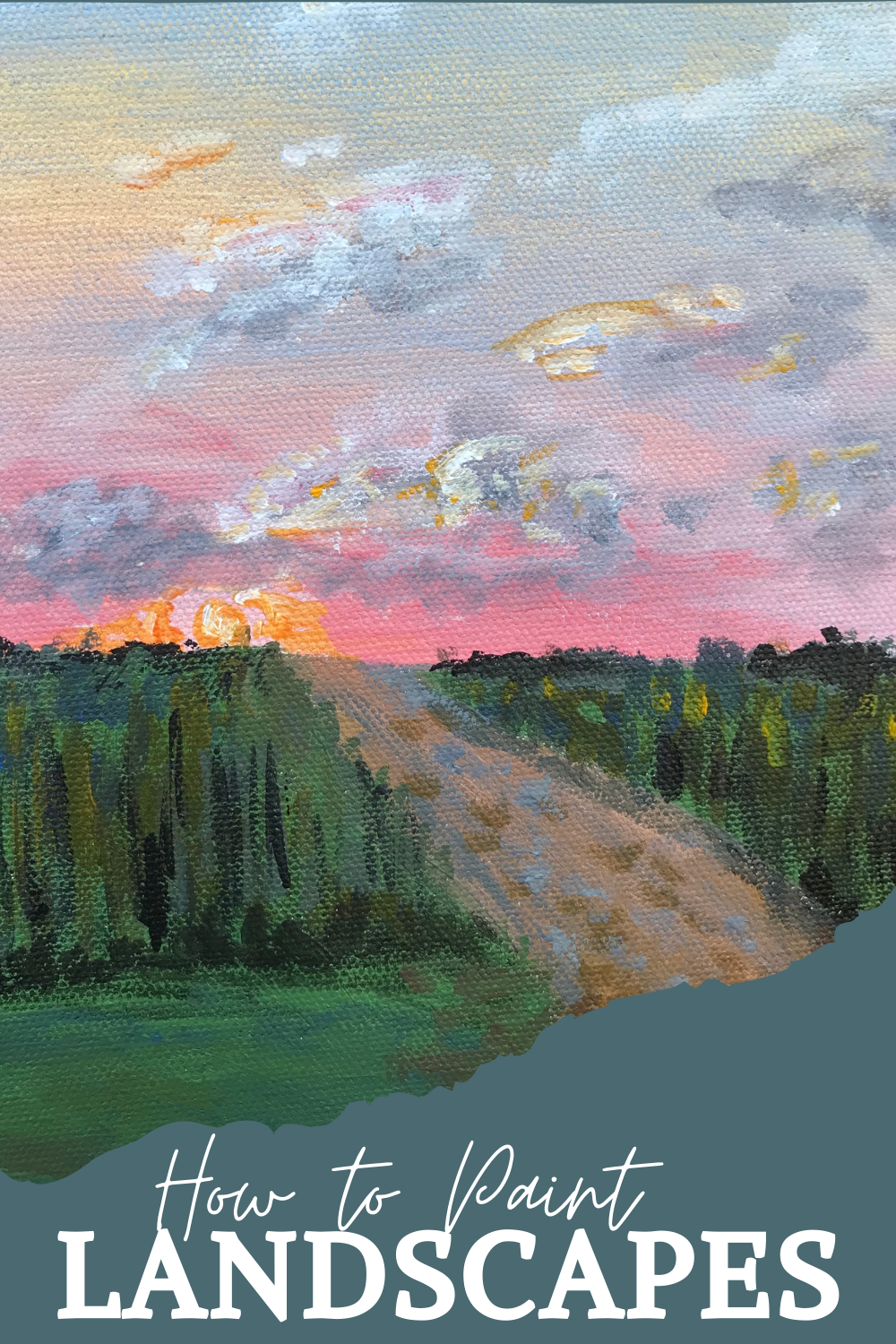
Beyond the historical tradition, there are very practical reasons to paint outdoors, especially if you are working to improve your landscape painting and your ability to paint realistically.
When you paint from a photograph, you are working from a flat, already-processed version of a scene. The camera has already made decisions about exposure, colour, and depth. When you paint from life, you are doing all of that processing yourself — and that is where real observational skill develops.
Plein air painting also has a way of loosening up painters who tend to overwork their paintings indoors. When you know the light is changing, you make decisions more quickly and commit to them more readily. That decisiveness often produces fresher, more energetic work than a careful studio painting that has been laboured over for too long.
What Supplies Do You Need for Plein Air Painting?
The key principle when packing for an outdoor painting session is this: think carefully about where you are going and what you can comfortably carry. A session in your backyard or a nearby park is very different from a painting excursion on a rocky coastal path or a forest trail. Your supplies need to match your environment.
Here is a practical list to work from:
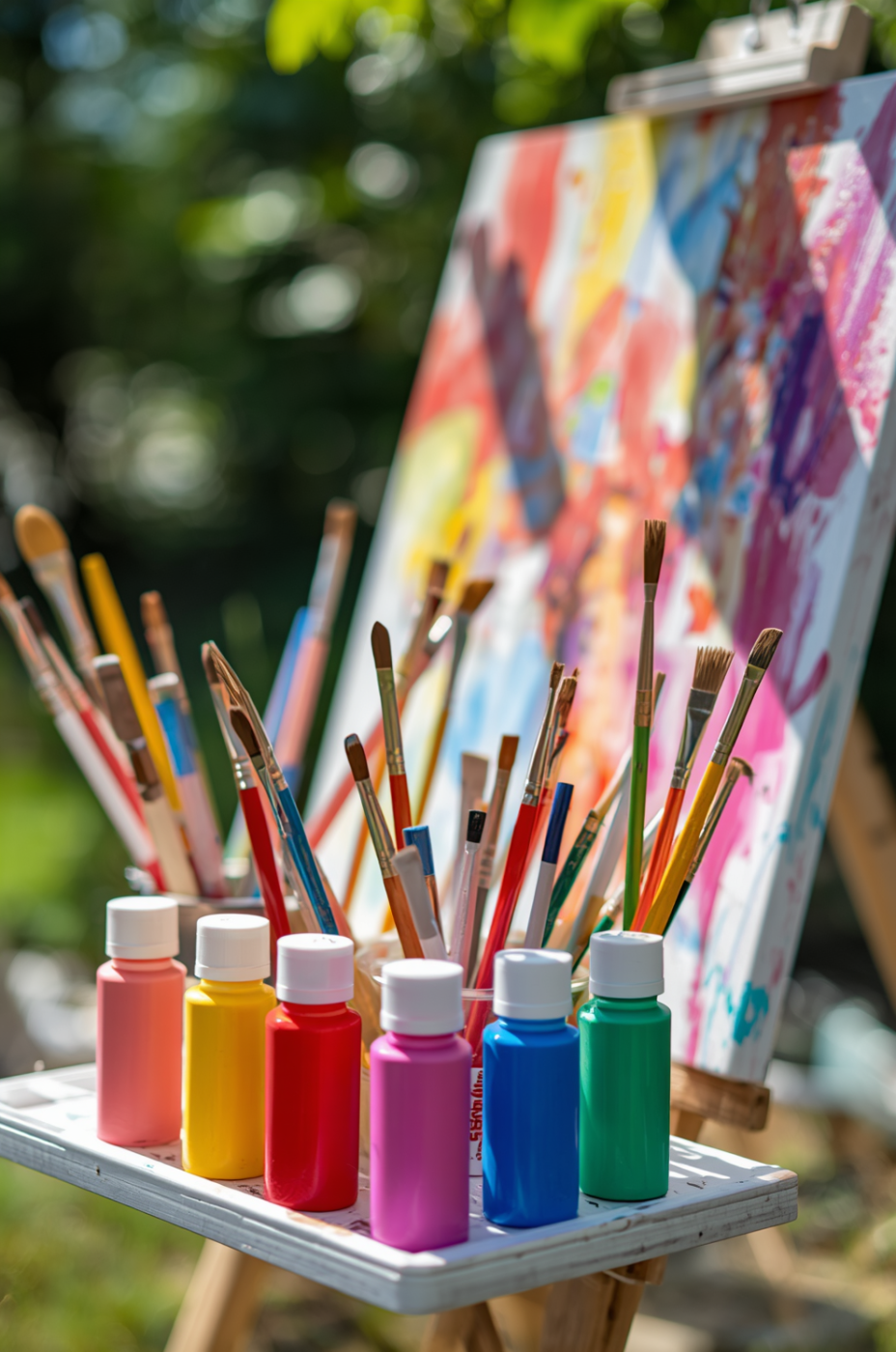
A portable, lightweight easel is essential. There are easels designed specifically for pleinaire work — compact, stable, and easy to carry. Look for one that folds down to a manageable size and sets up quickly, because you will not want to spend your best light wrestling with equipment.
Bring a palette with a lid. This protects your paint from wind, dust, and insects while you work, and it allows you to cover and carry your palette if you need to move locations or if you do not finish in one session. Consider setting up your palette at home before you leave so your colours are ready to go when you arrive.
Keep your paint selection simple. A limited palette of five to seven colours is far more practical outdoors than your full studio collection. Small tubes travel well, and you will likely find that a reduced palette actually improves your colour mixing decisions.
Check out this set here (affiliate link)
Pack a cloth rag, a container for water, a pencil or small piece of chalk for sketching out your composition before you paint, and a case for the brushes you actually need — not every brush you own.
For your painting surface, canvas boards, watercolour pads, and sketchbooks all work well outdoors. Choose something that is easy to hold or clip to your easel and that dries reasonably quickly if you need to pack up.
Finally, bring your phone or a camera. The light outdoors changes quickly, and if you are painting a scene that will look entirely different in an hour, having a photo reference means you can continue the painting later without losing what drew you to the scene in the first place.
And do not forget the practical things that have nothing to do with painting: sunscreen, a hat, insect repellent, water to drink, and a light jacket if the weather is variable. Painting outdoors is much more enjoyable when you are comfortable.
Tips for a Successful Pleinaire Painting Session
Check the weather before you go. Wind, rain, and harsh midday sun can all affect your experience significantly. Overcast days actually offer beautiful, even light that is easier to work with than direct sun, which creates very strong shadows and can be hard on the eyes.
Take a photo of your scene as soon as you arrive and before you begin painting. Light changes quickly outdoors, and having a reference photo gives you something to work from if the scene shifts significantly while you are still painting.
Sketch your composition lightly before you apply any paint. Even a quick two-minute pencil sketch to place your horizon line, your main shapes, and your focal point will save you a lot of trouble later. A few minutes of planning at the start makes the whole painting process smoother.
Pay attention to the direction of your light source and note where your shadows are falling when you begin. As the light shifts, try to hold to your original light logic rather than chasing the changes — otherwise the painting can start to look inconsistent.
Move closer to your subject than you think you need to. It is a natural instinct to stand back and try to take everything in, but moving closer gives you more detail, stronger colour, and a more interesting composition.
Let the scene inspire you rather than trying to paint everything you can see. The best pleinaire paintings are not comprehensive records of a location — they are responses to a specific quality of light, a mood, a moment. Allow yourself to simplify, to leave things out, and to respond to what genuinely caught your eye.
Pack less than you think you need. Fewer supplies means less time setting up and packing down, and less weight to carry. You will paint more freely when your kit is simple.
Ready to Paint Outdoors?
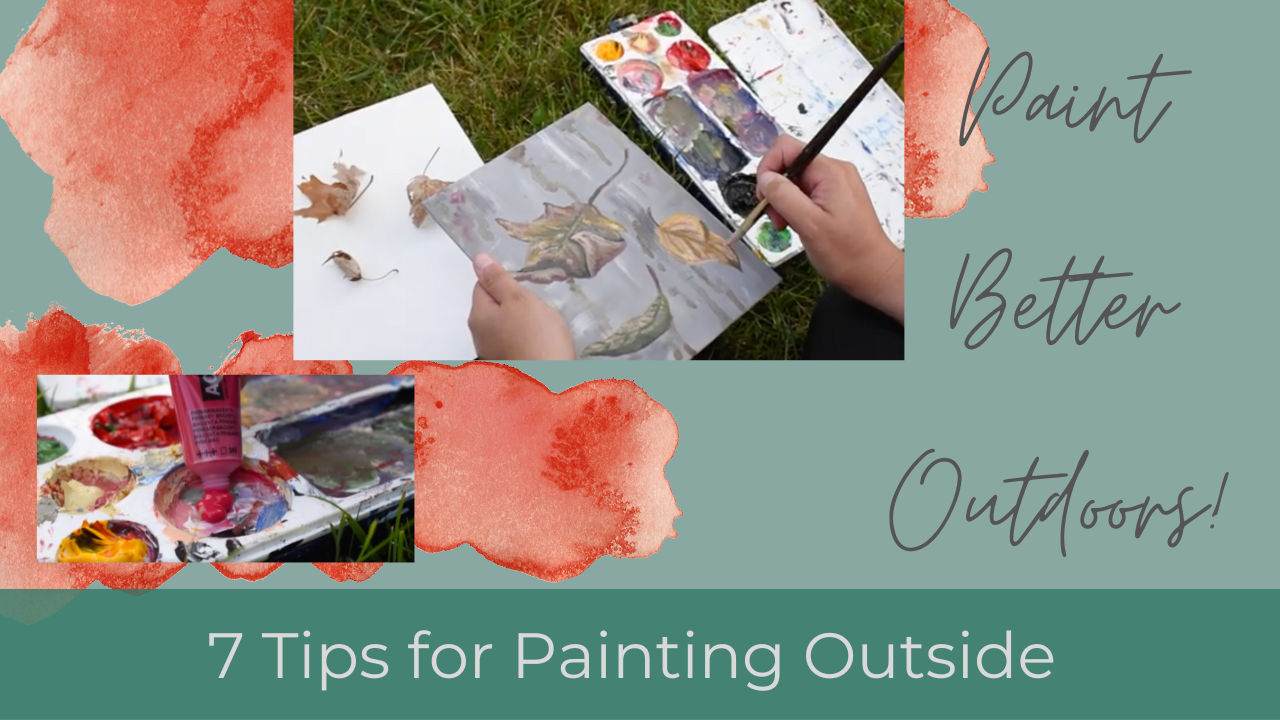
I have a video that walks through my outdoor painting process and shares some additional tips that are easier to show than describe — I will link it here. If you want to improve your landscape painting and build confidence painting from life, pleinaire painting is one of the best practices you can add to your routine.
And if you are still building your foundational skills, make sure to download my free 12-page guide on the ten most common mistakes beginner acrylic painters make and how to avoid them. It is a great companion to everything covered in this post.