
3 Halloween Art Projects High School Students Will Love
Not every Halloween art projects list is built for teenagers. The three below are: each one gives high school students real creative ownership, from a drawing contest to a full sculptural build to a short film, plus a bonus pumpkin painting idea at the end.
As a certified art teacher, I've picked projects that scale from a single class period to a multi-week unit, so you can match the scope to however much October you have left.
3 Halloween Art Projects High School Students Will Love
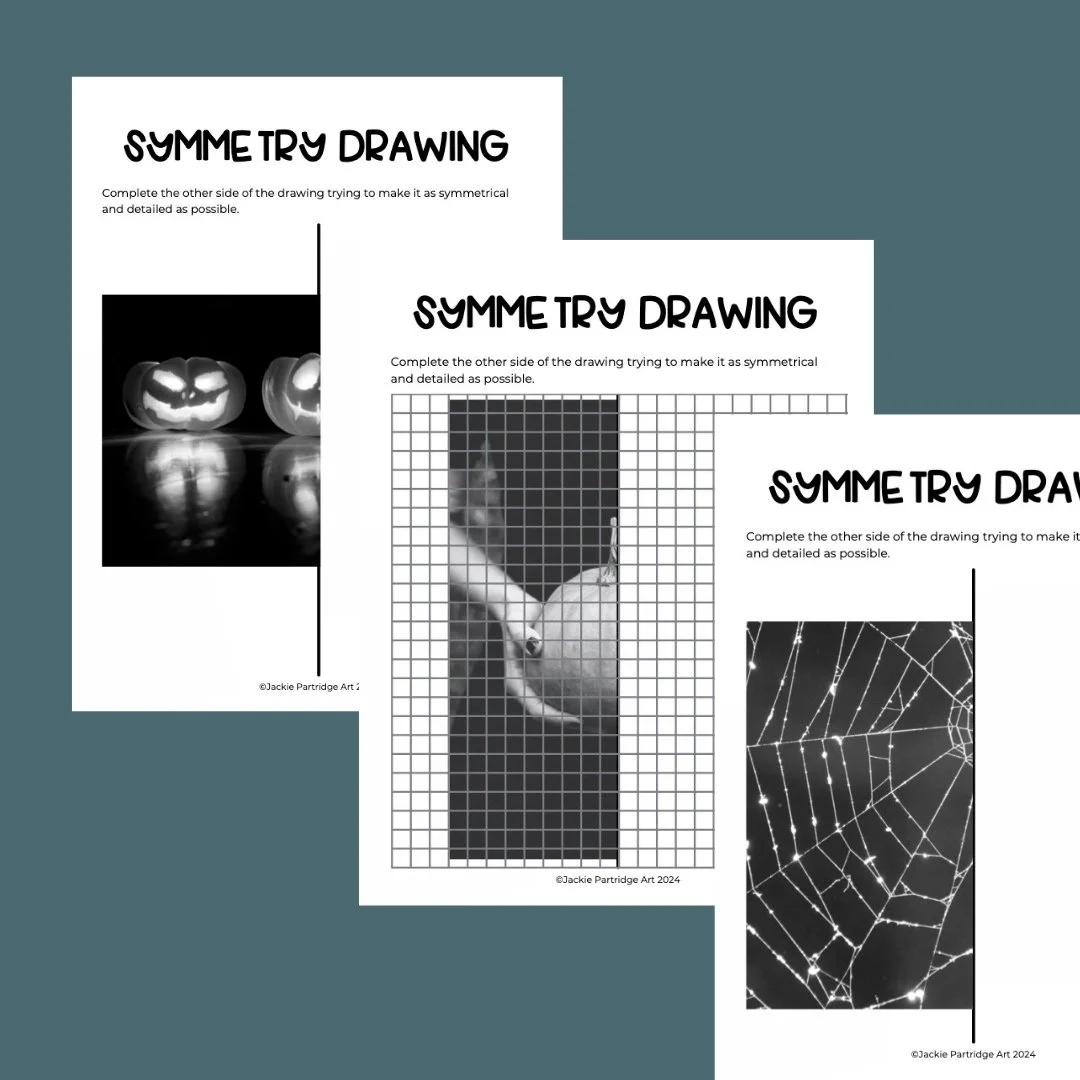
Project 1: Symmetry Drawing Contest
My fall and Halloween symmetry drawing worksheets are a series of 34 different designs, built to print and photocopy so you can reuse the full set year after year without buying anything new.
How to run it as a contest:
Hand out one half-finished symmetry design to each student (or let them choose from a few options).
The challenge: draw the missing symmetrical half as realistically and precisely as possible, matching line weight, shading, and proportion.
Set a time limit that fits your class period, then display every finished piece together so the class can see the range of interpretations from the same starting design.
Award a small, fun prize for the most accurate or most creative result, whichever fits your classroom culture better.
Because the set includes 34 designs, you can rotate which sheets you use each year and never repeat the same contest twice.
Project 2: Haunted House Sculpture
This one gives students a full sculptural build, using a recycled milk carton or a shoebox as the base structure.
The process:
Plan first. Before anyone touches a material, students sketch their haunted house concept in a sketchbook, thinking through materials, layout, and the overall mood they want.
Build the structure. Using the milk carton or shoebox as the shell, students construct their haunted house as a freestanding sculpture, decorating both the outside and the inside.
Add interior detail. Encourage students to build out little rooms and simple furniture inside the house, not just decorate the exterior.
Bring in sculptural materials. Clay and paper mache both work well for adding texture, architectural detail, or small props.
Populate it. Students can build wire armature figures for ghosts or people to inhabit their haunted house, giving the piece scale and a sense of story.
Students can work individually or in pairs, which makes this a flexible option whether you want a quieter solo project or a more collaborative build.
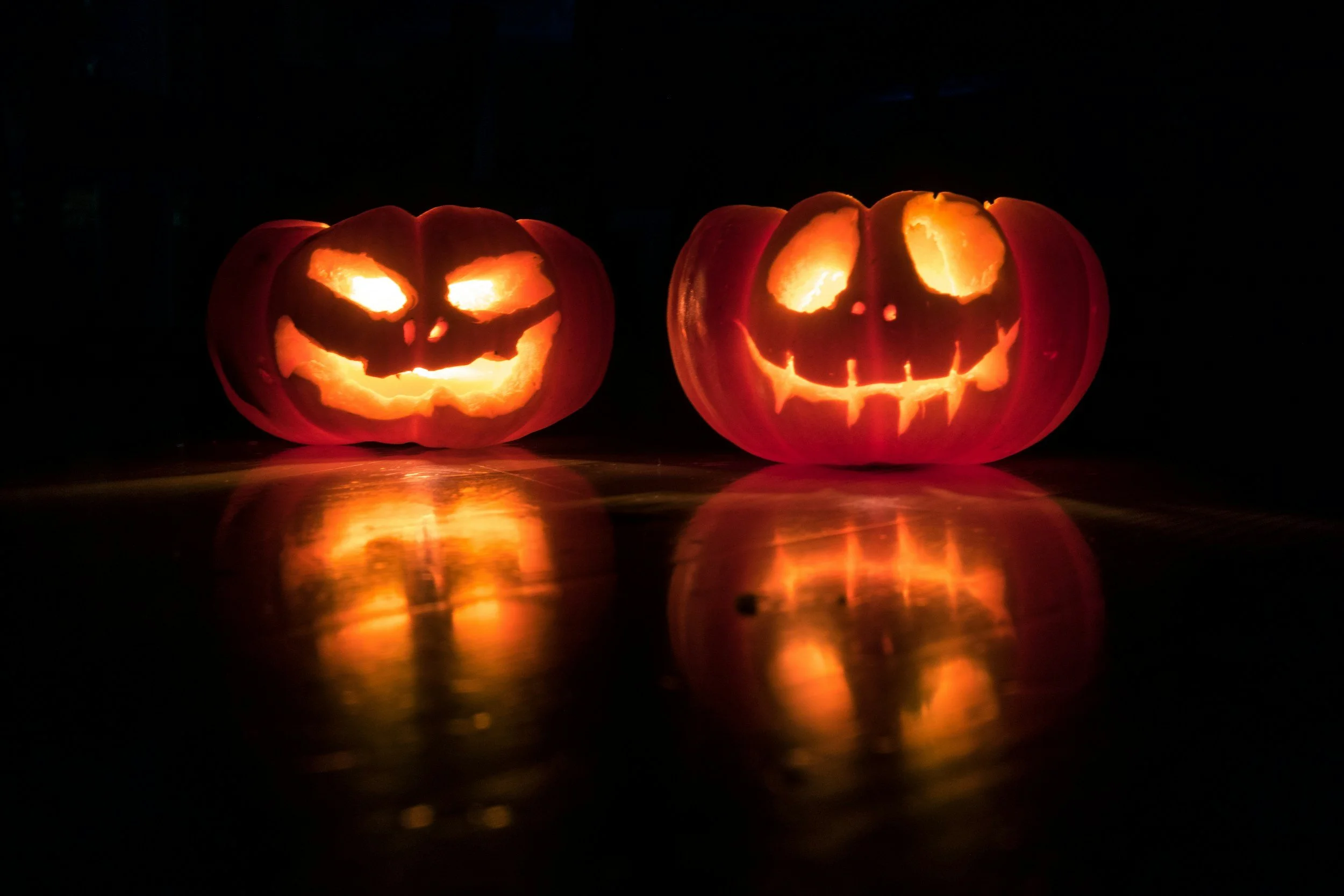
Project 3: Spooky Stop Motion Animation
This is the most ambitious of the three, combining fine art, photography, and basic video editing into one project.
The process:
Plan it like a film. Students use a sketchbook to storyboard their idea before shooting a single frame, working through the creative process the same way they would for any other piece.
Pick a medium. Pastels, clay, and ink all work well for stop motion, and each gives the finished animation a different texture and feel.
Keep it spooky. Have students build their concept around a Halloween theme, whether that's a ghost story, a monster, or something more abstract and eerie.
Shoot frame by frame. Using iPads, digital cameras, or phones, students take a photo of their artwork after each small change, building up the sequence one frame at a time.
Edit it together. Once all the stills are shot, students combine them into a video using whatever stop motion app or editing software your school has access to. This is where photography and basic video editing skills come into the project alongside the art itself.
Watch examples first. Before students start planning, it helps to show a few real stop motion films so they can see the range of what's possible. A Tim Burton film like Vincent (his 1982 stop motion short, which set the tone for his whole career) is a great spooky reference point, though it's easiest to find as a bonus feature on Nightmare Before Christmas releases rather than streaming free online.
Here are four stop motion videos worth showing your class, each in a different style:
Fresh Guacamole by PES — object-substitution animation, where everyday objects stand in for food ingredients.
Western Spaghetti by PES — another object-substitution piece, great for comparing against Fresh Guacamole.
Behind the scenes of LAIKA's puppet fabrication — shows how armature and puppet-based stop motion (the technique behind films like Coraline) actually gets built.
The official Wallace & Gromit YouTube channel — classic claymation from Aardman Animations.
Related: Symmetry Sheets for Middle School
If you teach a mix of grade levels, I also have fall and Halloween symmetry drawing sheets for middle school, designed with slightly simpler compositions for students who are still building their symmetry and proportion skills.
For more seasonal lesson ideas as they go up throughout the year, follow me on Pinterest, where I regularly pin new classroom projects and resources.
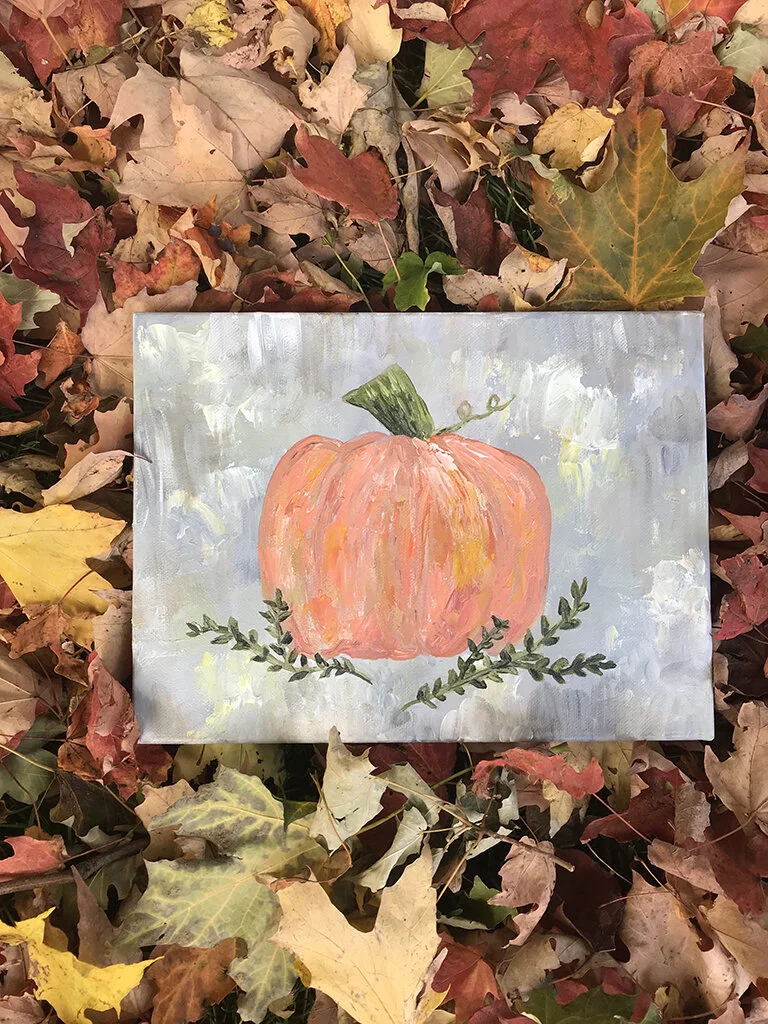
Bonus Idea: Acrylic Pumpkin Painting with a Palette Knife
For a quieter, more painterly option, try acrylic pumpkin painting using a palette knife instead of a brush. Working on canvas or canvas board, students build up thick, textured strokes of orange, rust, and gold to create a pumpkin with real dimension.
The palette knife technique is a nice skill-builder on its own, since it forces students to think about paint as a textured material rather than just colour, and the result looks a lot more sophisticated than a typical painted pumpkin.
FAQ: Halloween Art Projects for High School
What are good Halloween art projects for high school students? Projects that give students real creative control work best, such as a symmetry drawing contest, a sculptural haunted house build, or a short stop motion animation.
How do you turn a symmetry worksheet into a contest? Have students draw the missing symmetrical half as realistically as possible within a time limit, then display the results and award a small prize for accuracy or creativity.
What materials work for a haunted house sculpture? A milk carton or shoebox as the base, plus clay, paper mache, and wire for armature figures, gives students everything they need to build a detailed, freestanding haunted house.
What should students watch before making a stop motion animation? Showing a few different styles, like object-substitution animation, puppet-based animation, claymation, and pixilation, helps students see the range of what stop motion can look like before they plan their own.
Can stop motion animation be done with school iPads? Yes. Most stop motion apps work with a basic camera, so an iPad, a digital camera, or even a phone is enough to shoot and edit a short stop motion project.
Pick Your Project
Whether you have one class period or a few weeks, there's a project here to fit: a quick symmetry contest, a multi-day sculptural build, or a full stop motion short. Grab the symmetry worksheets as a low-prep starting point, and follow along on Pinterest for more seasonal lesson ideas.