
Art Sub Plans for Teachers: 10 Easy, No-prep Ideas That Actually Work
If you have ever had to be away unexpectedly, you know how stressful it can be to leave meaningful, engaging work behind for your students. Art can feel especially tricky to plan for a substitute teacher who may not have an art background. That is exactly where strong, no-prep art sub plans can make all the difference.
The best art sub plans are simple, structured, and still allow students to be creative. They keep your classroom running smoothly while giving students a positive art experience, even when you are not there.
Below are 10 art sub plan ideas you can use right away, along with tips to help you use them successfully.
art sub plans for teachers: 10 easy, no-prep ideas that actually work
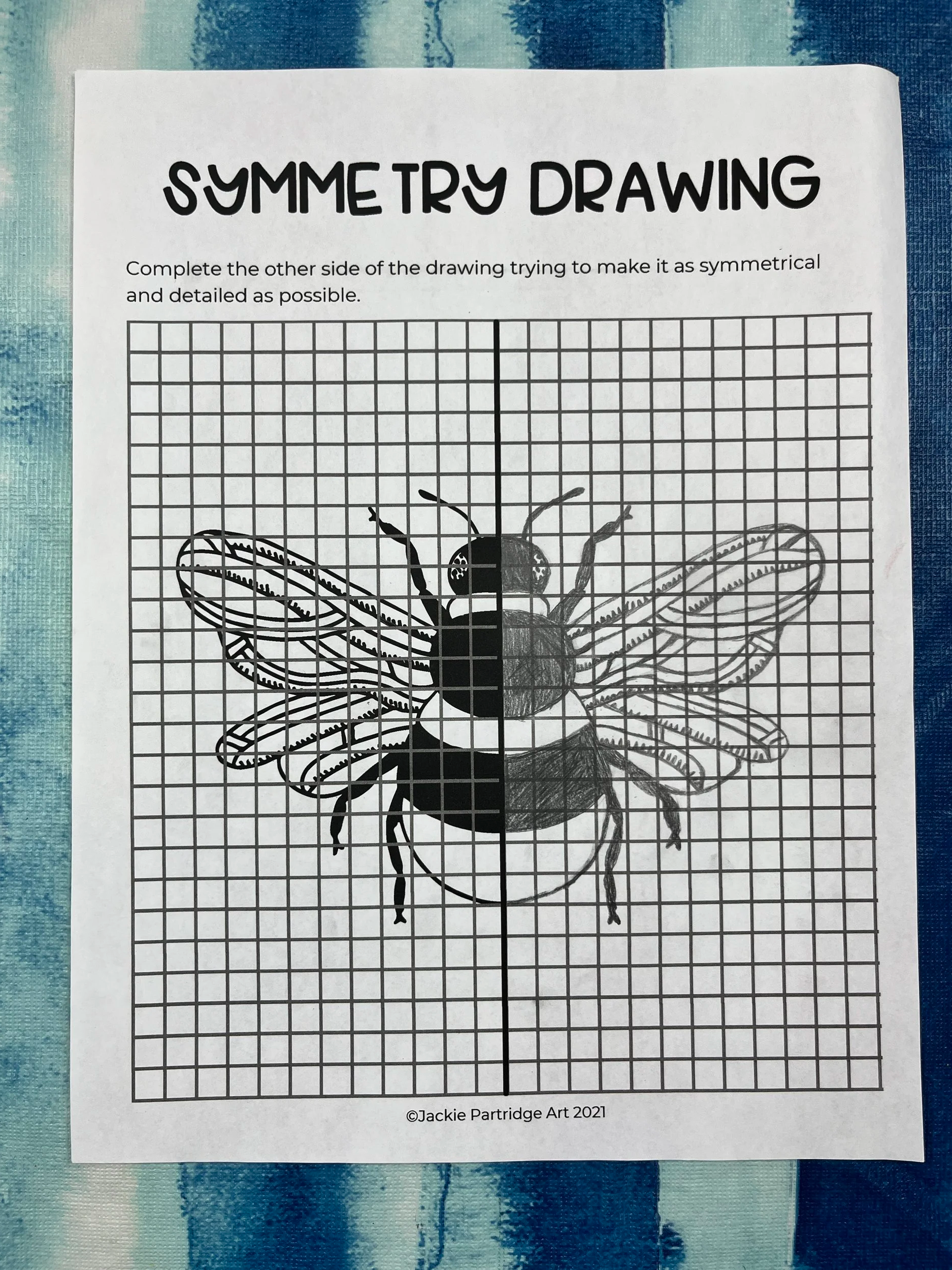
Symmetry Drawing Challenge
Print and photocopy some of my symmetry drawing worksheets - choose from a variety of theme that interests your students or relates to a current season or holiday.
Why it works:
This is highly engaging, works for multiple grade levels, and builds important drawing and observation skills.
Teacher tip:
Leave a few visual examples and simple step-by-step instructions. Students can work quietly and independently, which is ideal for a sub.
2. Zentangle Pattern Drawing
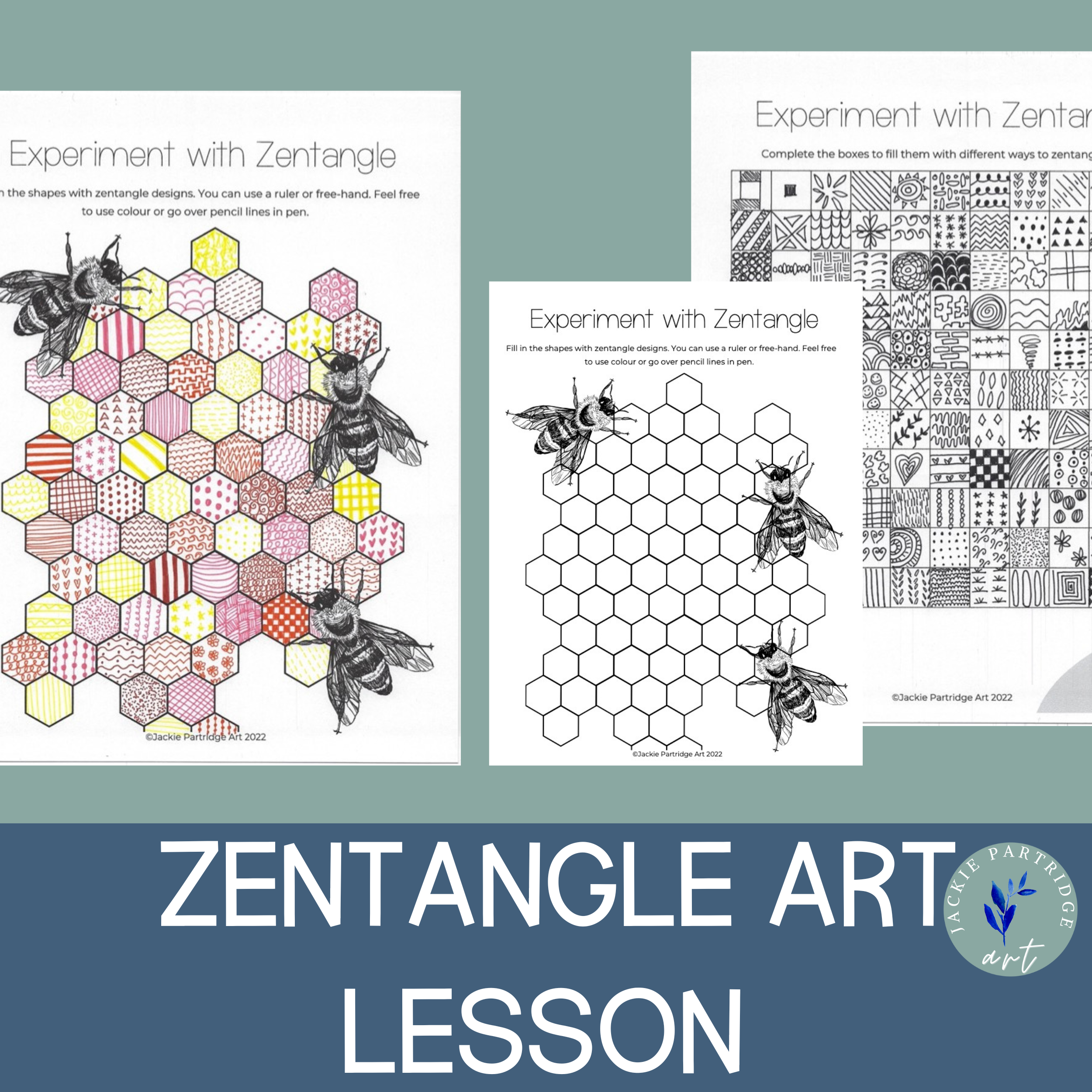
Students fill a page or shape with repetitive patterns using lines, dots, and curves.
Why it works:
It is calming, structured, and does not require “drawing talent,” which helps all students feel successful.
Teacher tip:
Provide a small list of pattern ideas (lines, checkerboard, spirals). Even better if you include a reference sheet students can follow.
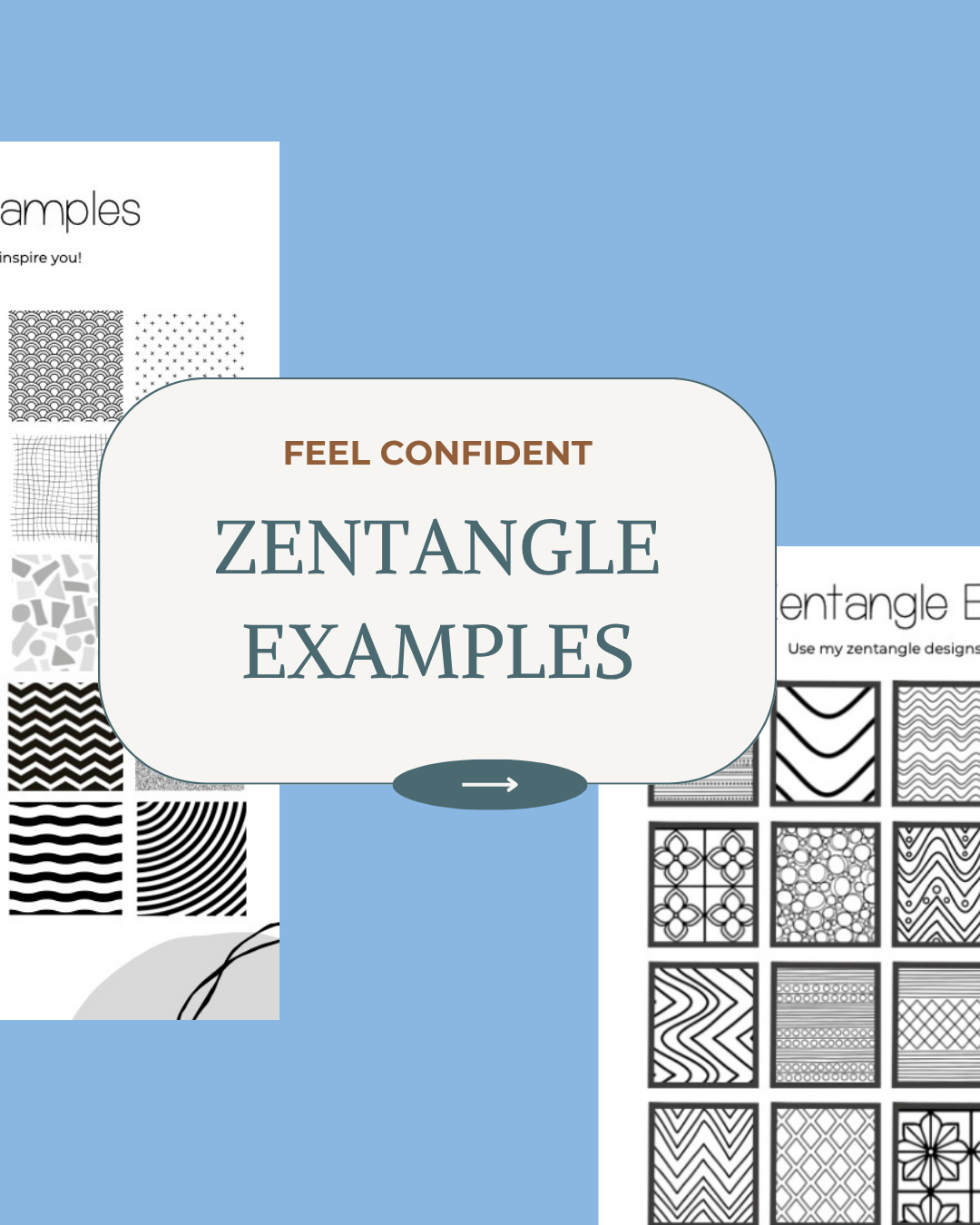
Slow down, breathe, and rediscover the joy of simple, calming mark-making with these beginner-friendly Zentangle worksheets and practice pages. Designed especially for adults aged 35–70 who are looking for a peaceful, low-pressure creative outlet, this printable PDF helps you ease into drawing and painting without overwhelm.
This digital download is perfect for beginner painters who want to build confidence, add beautiful detail to their artwork, or simply enjoy a quiet, mindful activity. Zentangle is known for its repetitive, structured patterns that promote relaxation and focus—making it an ideal practice if you are craving calm in your day.
Inside this PDF, you will find everything you need to get started:
• A clear instruction page to guide you step-by-step, even if you have never tried Zentangle before
• A recommended supplies page with simple, accessible tools (including Amazon links to make getting started easy)
• An easy-to-understand Zentangle technique explanation page to help you learn the basics and feel confident
• 5 example pages filled with beautiful Zentangle designs you can copy, trace, or use as inspiration in your paintings and drawings
• 2 blank practice pages where you can experiment, create your own patterns, and develop your personal style
These worksheets are designed to feel approachable, not intimidating. You do not need to be “good at drawing” to enjoy them. The focus is on gentle repetition, creative exploration, and giving yourself permission to slow down.
Use these pages as a quiet morning ritual, a screen-free evening activity, or a creative reset when you feel stuck or overwhelmed. Many artists also love incorporating Zentangle patterns into acrylic paintings, sketchbooks, greeting cards, and mixed media projects.
Because this is a digital PDF download, you can print the pages as many times as you like and return to them whenever you need a moment of calm.
If you are looking for a simple, soothing way to reconnect with your creativity and build confidence in your art, these Zentangle practice pages are a beautiful place to begin.
3. Themed Directed Drawing
Provide a simple step-by-step drawing guide (for example: animal, seasonal theme, or landscape). Or a play a video for students to follow.
Why it works:
Directed drawings give clear structure for subs and reduce uncertainty for students.
Teacher tip:
Choose themes students already love (animals, food, seasonal art). Add an optional colouring step to extend the lesson.
4. Colour Wheel Design
Students create a colour wheel using crayons, markers, or pencil crayons, then turn it into a creative design (pizza, umbrella, mandala).
Why it works:
It reinforces colour theory in a fun, visual way.
Teacher tip:
Label primary and secondary colours clearly in your instructions so the substitute can guide students easily.
You can see my free mixing green and grey lesson here!
Colour Mixing bundle save 30% -here!
5. Art Reflection Worksheet
Students look at an artwork (printed or projected) and respond to guided questions about colour, mood, and meaning.
Why it works:
It builds critical thinking and works well for slightly older students.
Teacher tip:
Keep questions simple and open-ended so all students can participate, regardless of skill level.
6. Drawing Donuts and Popsicles
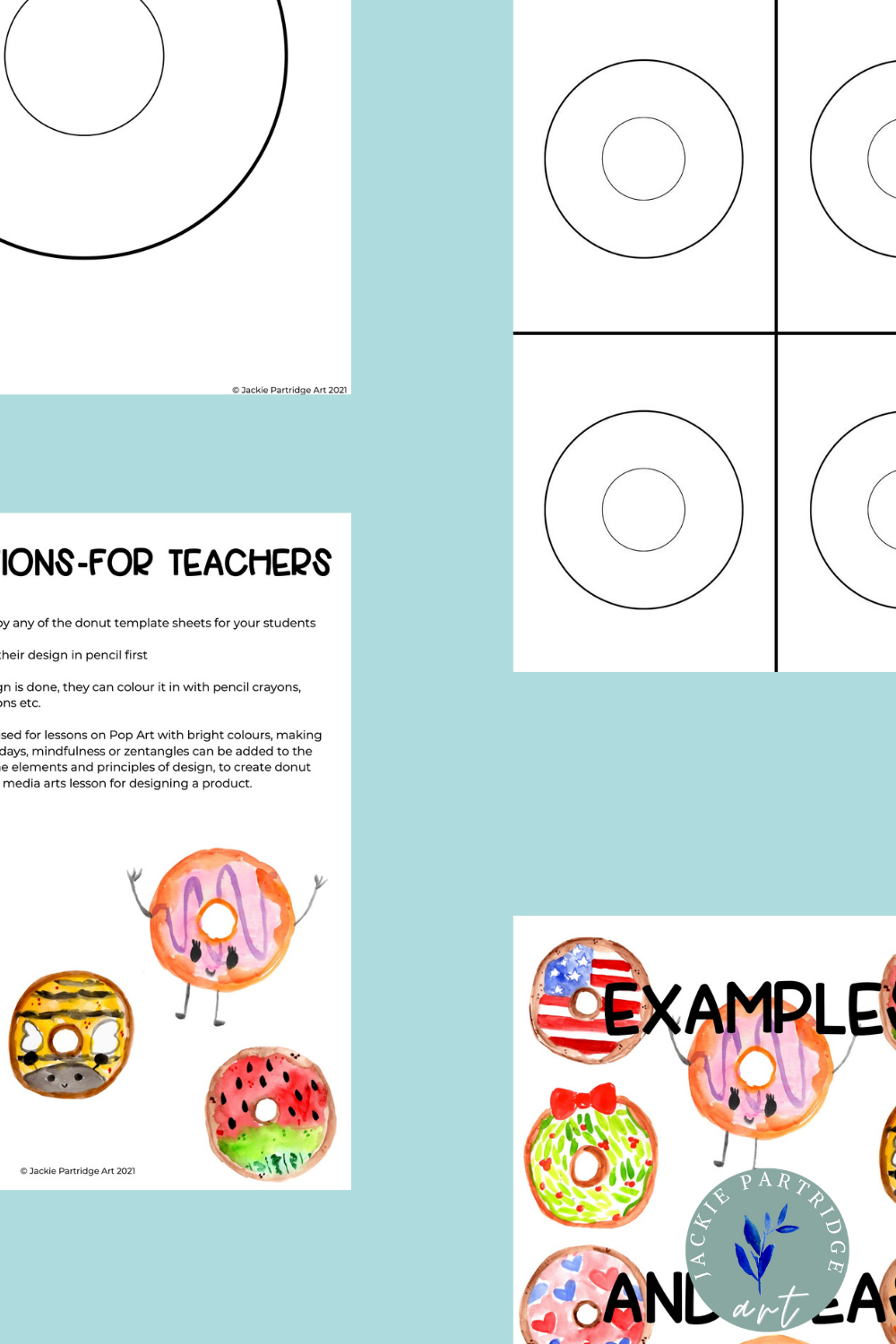
Give students a partially completed drawing or random shape and ask them to turn it into a finished artwork.
Why it works:
Easy print and go resource -decide what students use to colour and decorate the template depending on age, ability, and their behaviour - markers, crayons, coloured pencils, pastels, etc.
Teacher tip:
Encourage imagination over perfection. Print examples or display that are included with this resource.
7. Pattern and Design Name or Letter Art
Students write their name in large block or bubble letters and fill each section with different patterns.
Why it works:
It combines personal identity with design skills and keeps students engaged.
Teacher tip:
Model one example so students understand expectations for filling space and adding detail.
Check out my zentangle letter art activity here
8. Seasonal or Holiday Art Page
Provide a themed worksheet (fall leaves, winter scenes, spring flowers) that students can draw and colour.
Why it works:
Seasonal themes are familiar and easy for substitutes to manage.
Teacher tip:
Include early finisher options, such as adding a background or extra details.
Fall/Halloween Colouring Pages for Grades 1-3
Fall/Halloween Colouring Pages for Grades 4-6
9. Observational Drawing
Students draw a simple object (shoe, backpack, classroom object) by looking closely and adding detail.
Why it works:
It builds real drawing skills without needing complicated materials.
Teacher tip:
Encourage students to slow down and really look. You can include prompts like “add texture” or “shade lightly.” Have an example done to show your expectations.
10. Mini Art Portfolio Page
Students create one finished piece they are proud of and write a short reflection about it.
Why it works:
It gives purpose to the work and connects to long-term art skill development.
Teacher tip:
Provide sentence starters to make reflection easier for all learners.
How to Use Art Sub Plans Successfully
Keep instructions simple and clear
Write your plans so someone with no art background can follow them. Short steps and visuals go a long way.
Use familiar materials
Stick to basics like pencils, markers, crayons, and paper. Avoid anything that requires special setup or cleanup.
Include examples
Students feel more confident when they can see what the finished work might look like.
Plan for different speeds
Always include an extension idea for early finishers. This prevents behaviour issues and keeps students engaged.
Focus on independence
Choose activities that students can complete on their own without constant help.
Why No-prep Art Sub Plans Make a Difference
No-prep art sub plans remove stress for you and create a better experience for your students. They allow learning to continue, even in your absence, and help maintain routines in your classroom.
When your plans are easy to follow, engaging, and structured, substitute teachers feel more confident and students stay on task. That consistency matters.
Having a set of ready-to-go art sub plans means you are always prepared, whether the absence is planned or unexpected. It also saves you time and energy, so you can focus on your teaching when you return.
Related Articles:
How to Organize Early Finishers
Follow me on TPT for special discounts